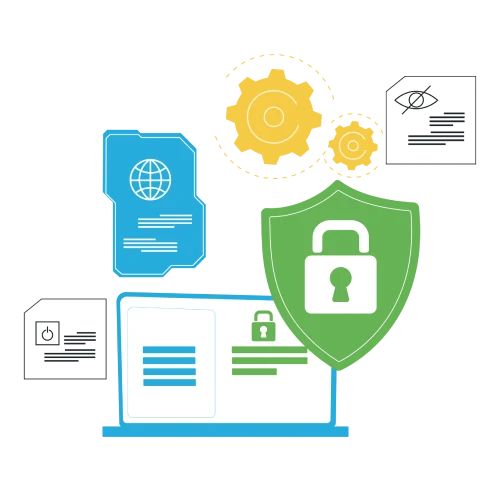

In today's digital age, where cyber threats are more prevalent than ever, ensuring robust cybersecurity is vital for any industry. The law industry, in particular, deals with a wealth of sensitive and confidential information that must be protected at all costs. This article aims to explore the concept of decentralized cybersecurity and its potential for revolutionizing the law industry, with a focus on EVM-Based L1 Blockchain technology.
Understanding the Basics of Decentralized Cybersecurity
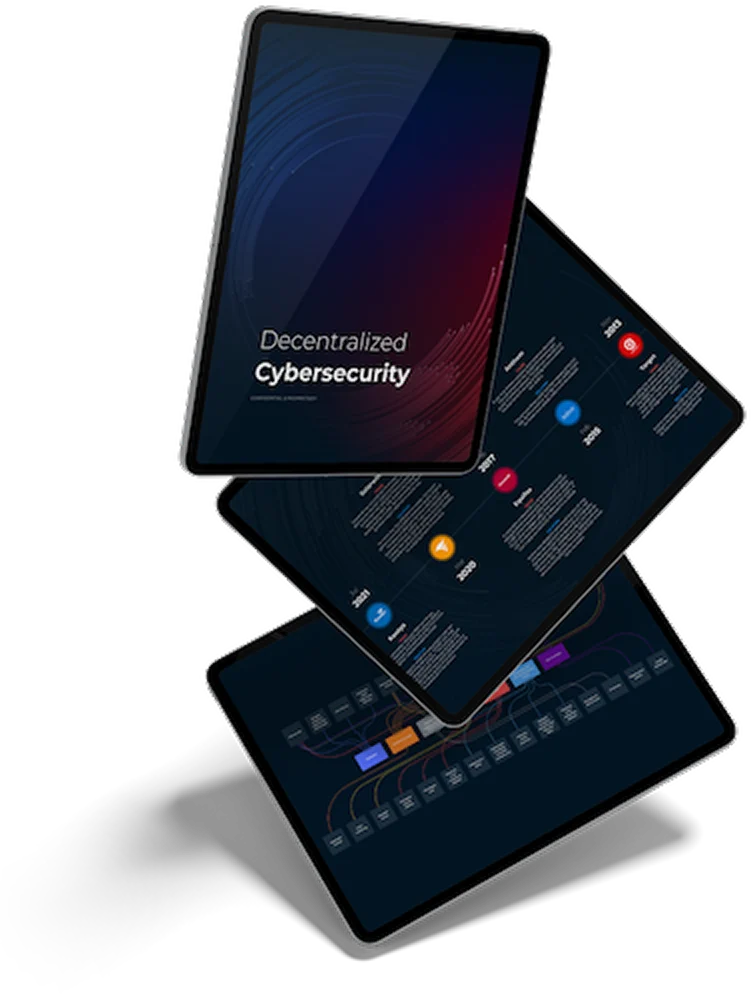
Cybersecurity, in its simplest form, involves protecting computer systems, networks, and data from unauthorized access, theft, and damage. Traditionally, centralized cybersecurity systems relied on a single entity or authority to safeguard information. However, with the emergence of decentralized technologies, such as blockchain, a paradigm shift has occurred, offering unprecedented security and transparency.
As the digital landscape continues to evolve, the need for more advanced and resilient cybersecurity measures becomes increasingly apparent. The rise of cyber threats, ranging from sophisticated hacking attempts to ransomware attacks, has highlighted the vulnerabilities inherent in centralized systems. In response to these challenges, decentralized cybersecurity has emerged as a promising solution.
What is Decentralized Cybersecurity?
Decentralized cybersecurity involves distributing security measures across multiple nodes or computers, rather than relying on a centralized authority. This decentralized approach allows for enhanced transparency, immutability, and resilience against cyber threats. By leveraging technologies like blockchain, decentralized cybersecurity aims to disrupt traditional methods and provide an alternative solution that promotes trust and security.
At the core of decentralized cybersecurity is the concept of distributed consensus. In a decentralized system, multiple nodes work together to validate and verify transactions or actions, ensuring that information is accurate and secure. This distributed consensus mechanism eliminates the need for a single point of failure, making it incredibly difficult for malicious actors to manipulate or compromise data.
One of the key advantages of decentralized cybersecurity is its ability to provide transparency and auditability. Since all transactions and actions are recorded on a public ledger, anyone can verify the integrity of the system. This transparency not only promotes trust among users but also acts as a deterrent for potential attackers, as their actions are easily traceable.

The Importance of Cybersecurity in the Law Industry
In the legal field, cybersecurity plays a pivotal role in preserving client confidentiality, protecting intellectual property, and ensuring the integrity of legal proceedings. Breaches in cybersecurity can result in devastating consequences, including compromised client data, disclosure of sensitive information, and erosion of trust. Therefore, it is essential for law firms to adopt robust cybersecurity measures.
Law firms handle a vast amount of sensitive information, including client records, case files, and confidential communications. This wealth of data makes them an attractive target for cybercriminals seeking to exploit vulnerabilities in their security systems. A successful breach not only puts the firm at risk but also compromises the privacy and trust of their clients.
Moreover, in the legal industry, maintaining the integrity of legal proceedings is paramount. Any unauthorized access or tampering with evidence can have severe consequences, potentially leading to the dismissal of cases or wrongful convictions. By implementing decentralized cybersecurity measures, law firms can ensure the authenticity and immutability of their digital evidence, bolstering the credibility of their cases.
It is also worth noting that law firms often handle intellectual property matters, including patents, trademarks, and copyrights. Protecting these valuable assets from cyber threats is crucial to safeguarding the interests of clients and maintaining a competitive edge in the legal market. Decentralized cybersecurity provides an added layer of protection against intellectual property theft and unauthorized access to confidential information.
In conclusion, decentralized cybersecurity offers a promising solution to the challenges posed by traditional centralized systems. By leveraging technologies like blockchain, it provides enhanced security, transparency, and resilience against cyber threats. In industries like law, where confidentiality, integrity, and trust are paramount, adopting robust decentralized cybersecurity measures is vital to protect sensitive information and ensure the smooth functioning of legal processes.
The Role of Blockchain in Cybersecurity

Blockchain technology is at the forefront of the decentralized cybersecurity revolution. At its core, a blockchain is an immutable and transparent digital ledger that records transactions across multiple computers. This technology holds immense potential for enhancing cybersecurity measures by providing a decentralized and tamper-resistant infrastructure.
As the digital landscape continues to evolve, the need for robust cybersecurity measures has become increasingly critical. Traditional centralized systems have proven to be vulnerable to attacks, as they rely on a single point of failure. This is where blockchain technology steps in, offering a unique approach to security.
An Introduction to Blockchain Technology
Blockchain technology, popularized by cryptocurrencies like Bitcoin, offers a unique approach to security. The decentralized nature of blockchain ensures that no single point of failure exists, making it nearly impossible for malicious actors to compromise the system. Additionally, the transparency of blockchain enables easy detection and traceability of unauthorized changes or access attempts.
Imagine a scenario where a hacker attempts to alter the data stored on a blockchain. Since the blockchain is distributed across multiple computers, each with a copy of the ledger, any attempt to tamper with the data would require altering the majority of the copies simultaneously. This level of decentralization makes blockchain highly resistant to attacks and ensures the integrity of the data.
How Blockchain Enhances Cybersecurity
Blockchain technology enhances cybersecurity in various ways. By utilizing cryptographic algorithms, data stored on a blockchain becomes virtually tamper-proof. The use of cryptographic hashes ensures that any modification to the data will be immediately detected, as the hash value will no longer match the original data.
Furthermore, blockchain's decentralized nature eliminates the need for a central authority, reducing the risk of data breaches or insider attacks. In traditional systems, a single point of failure can compromise the entire system. However, with blockchain, the distributed nature of the ledger ensures that even if one node is compromised, the rest of the network remains secure.

EVM-Based L1 Blockchain: A Deep Dive
EVM-Based L1 Blockchain stands for Ethereum Virtual Machine-Based Layer 1 Blockchain. This specific implementation of blockchain technology, built on top of the Ethereum network, offers unique advantages for cybersecurity in the law industry.
Blockchain technology has revolutionized various industries, and the law industry is no exception. By leveraging the Ethereum ecosystem, EVM-Based L1 Blockchain provides an efficient and secure platform for deploying decentralized applications and ensuring the integrity of legal processes.
Understanding EVM-Based L1 Blockchain
The Ethereum Virtual Machine (EVM) is a runtime environment that executes smart contracts on the Ethereum network. EVM-Based L1 Blockchain takes advantage of this powerful technology to enable a wide range of applications in the legal sector. By utilizing smart contracts, EVM-Based L1 Blockchain enables self-executing agreements with predefined rules and conditions.
Smart contracts have the potential to revolutionize the way legal agreements are executed. With EVM-Based L1 Blockchain, legal professionals can automate various processes, such as contract creation, negotiation, and enforcement. This automation reduces the need for intermediaries and potential points of vulnerability, streamlining the legal workflow.
The Advantages of EVM-Based L1 Blockchain for Cybersecurity
Implementing EVM-Based L1 Blockchain in the law industry yields several advantages. Firstly, smart contracts enable self-execution of agreements, reducing the need for intermediaries and potential points of vulnerability. These self-executing agreements are tamper-proof, as they are recorded on the blockchain and cannot be altered without the consensus of the network participants.
Implementing Decentralized Cybersecurity in the Law Industry

While the law industry recognizes the importance of cybersecurity, many firms struggle to implement effective measures. Understanding the current state of cybersecurity in the legal sector is crucial to identify areas for improvement and to evaluate the potential of EVM-Based L1 Blockchain technology.
The Current State of Cybersecurity in the Law Industry
The law industry faces numerous challenges regarding cybersecurity. Despite advancements in technology, many law firms continue to rely on outdated systems and practices, making them vulnerable to cyber threats. Insufficient training, lack of awareness, and limited budgets pose additional obstacles to achieving comprehensive cybersecurity.
One of the key challenges faced by law firms is the lack of understanding and awareness among staff members. Cybersecurity training is often overlooked or not given enough priority, leaving employees ill-equipped to recognize and respond to potential cyber threats. This knowledge gap can be exploited by hackers, who may use phishing emails, social engineering techniques, or malware attacks to gain unauthorized access to sensitive information.
In addition to the lack of training, outdated systems and practices also contribute to the vulnerability of law firms. Many firms still rely on legacy software and hardware that may not have the necessary security measures in place. These outdated systems are more susceptible to cyber attacks and may not be able to detect or prevent sophisticated threats.
Furthermore, limited budgets can hinder the implementation of robust cybersecurity measures. Law firms often face budget constraints, which may result in underinvestment in cybersecurity infrastructure and personnel. Without adequate resources, firms may struggle to keep up with the evolving threat landscape and implement the necessary security controls.
Case Studies of Blockchain in Legal Cybersecurity
Real-world examples highlight the successful implementation of blockchain in the law industry, showcasing the tangible benefits and lessons learned from these endeavors.
Blockchain technology has revolutionized the way the legal industry operates, providing a secure and transparent platform for various applications. Let's explore some successful implementations of blockchain in the law industry and the significant impact they have had.
Securely Recording Land Titles
One notable example of blockchain implementation in the legal sector is the secure recording of land titles. Traditionally, land ownership records have been susceptible to fraud and manipulation. However, with blockchain technology, these records can be securely stored and verified, providing an immutable and transparent system for land ownership. This implementation has not only improved data integrity but has also streamlined the process of transferring property ownership, reducing the risk of disputes and increasing efficiency in the legal process.

Immutable Evidence Databases
Another successful implementation of blockchain in the law industry is the creation of immutable evidence databases. In legal proceedings, the authenticity and integrity of evidence are crucial. By utilizing blockchain technology, law firms can create tamper-proof databases where evidence can be securely stored, time-stamped, and traced back to its source. This implementation ensures the integrity of evidence, making it more reliable and admissible in court. It also simplifies the process of sharing evidence between multiple parties, improving collaboration and reducing the potential for disputes.
The Future of Decentralized Cybersecurity in the Law Industry

The evolution of decentralized cybersecurity and the adoption of EVM-Based L1 Blockchain hold promising prospects for the law industry. Examining predicted trends allows us to anticipate the future landscape of cybersecurity in the legal sector.
As the law industry continues to digitize and rely heavily on technology, the need for robust cybersecurity measures becomes increasingly crucial. The traditional approach to cybersecurity, centralized and vulnerable to single points of failure, is no longer sufficient to protect sensitive legal information. This is where decentralized cybersecurity, powered by technologies like EVM-Based L1 Blockchain, comes into play.
Predicted Trends for Blockchain in Legal Cybersecurity
Experts believe that blockchain technology will play an increasingly pivotal role in cybersecurity within the law industry. Predicted trends include the utilization of blockchain for secure document management, authentication of legal agreements, and verification of electronic evidence.
Imagine a future where legal documents are stored on a blockchain, ensuring their immutability and tamper-proof nature. This would provide an unprecedented level of trust and security, eliminating the risk of unauthorized alterations or deletions. Additionally, blockchain-based authentication of legal agreements would streamline the process, reducing the need for manual verification and minimizing the potential for fraud.
Another exciting trend is the verification of electronic evidence using blockchain technology. In today's digital age, electronic evidence plays a crucial role in legal proceedings. However, its authenticity and integrity can be called into question. By leveraging blockchain's transparency and immutability, legal professionals can ensure that electronic evidence remains intact and unaltered, bolstering the credibility of their cases.
The transparency and integrity provided by blockchain will revolutionize how legal professionals approach cybersecurity. It will not only enhance data protection but also streamline processes and increase efficiency, ultimately benefiting both clients and legal practitioners.

Datopic: Securing the Future of Legal Technology
At Datopic Technologies, we empower organizations to embrace decentralized cybersecurity and EVM-Based L1 Blockchain for stronger data integrity and trust.
👉 Explore Services
👉 Request a Consultation
Let Datopic help your firm build a transparent, tamper-proof, and resilient digital future.