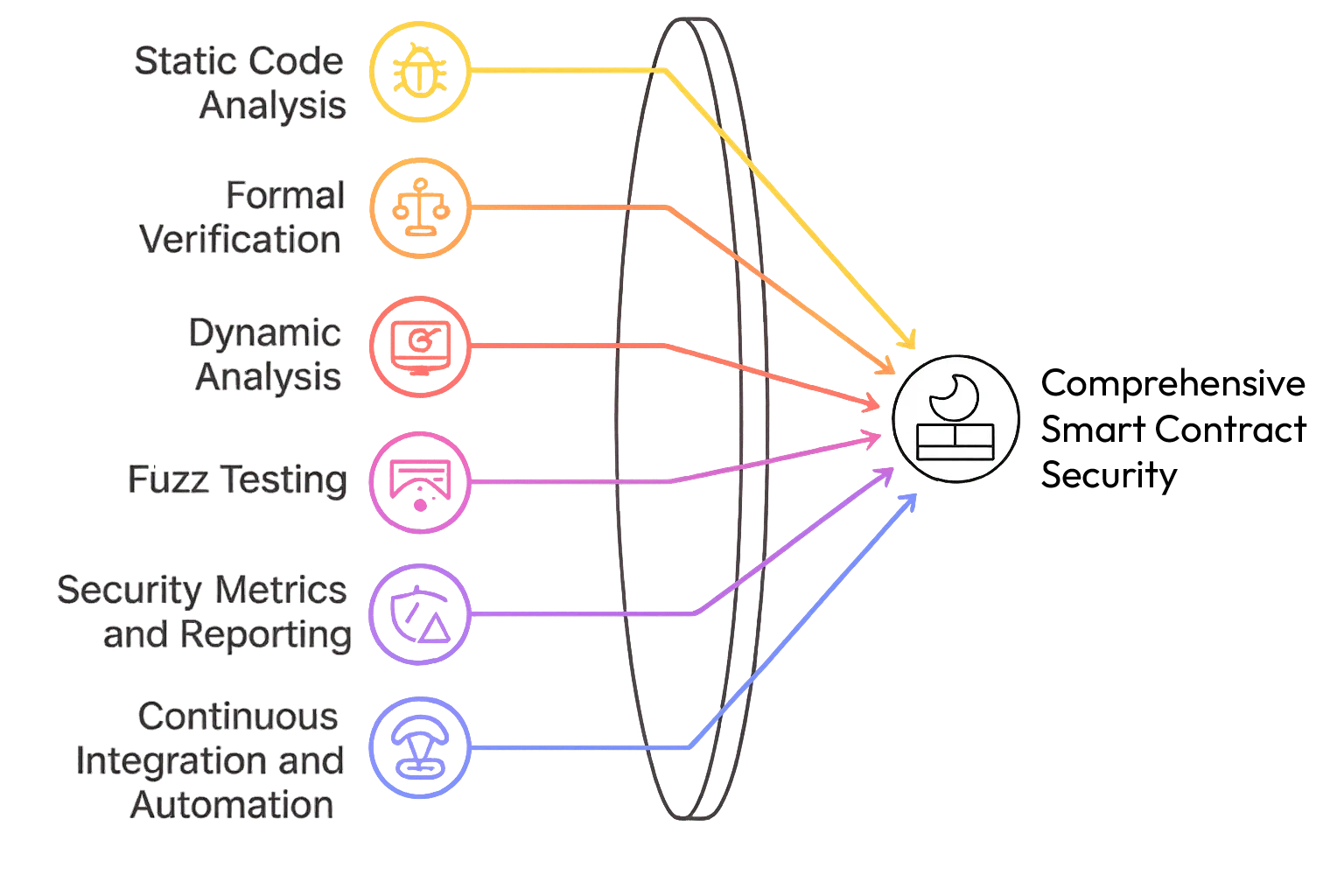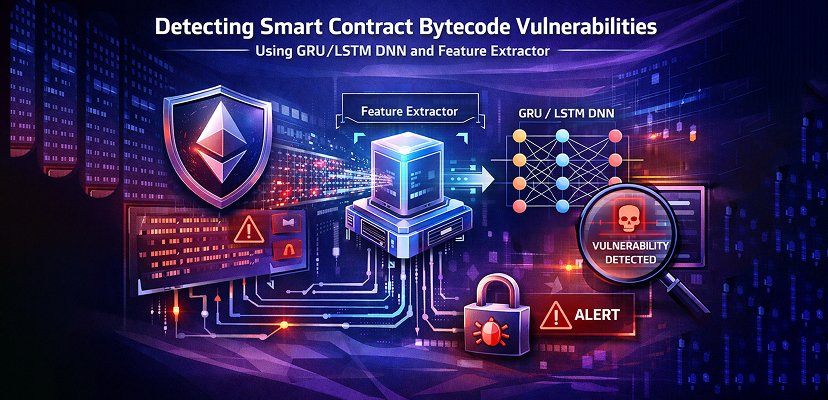
Smart contracts have become the backbone of modern blockchain technology. They are self executing contracts where the terms of the agreement are directly written into lines of code. Despite their growing popularity, many users are not familiar with how they function and the potential security risks they hold. The purpose of this article is to provide an in-depth exploration of smart contracts and the significance of formal analysis in identifying and mitigating threats and vulnerabilities.

Understanding Smart Contracts
The History of Smart Contracts
In 1994, legal scholar and cryptographer Nick Szabo introduced the concept of using a decentralized ledger to facilitate smart contracts. He proposed that these contracts could be encoded, stored, and replicated within a blockchain network, where they would be automatically monitored and executed by the participating computers. Szabo further suggested that such smart contracts could enable the transfer of digital assets between parties once predefined conditions were met.
The Basics of Smart Contracts
Smart contracts are self-executing programs that automatically enforce agreements when predefined conditions are met. They eliminate intermediaries, save time, and ensure that all parties can trust the outcome. Operating on an “if-then” logic, they facilitate, verify, and execute contractual terms once the set rules are satisfied.
Basic Components of Smart Contracts
Imagine a scenario where two parties want to enter into a business agreement. Traditionally, this process would involve lawyers, paperwork, and a significant amount of time. However, with the advent of smart contracts, this process can be streamlined and automated. The parties can define the terms and conditions of their agreement in the smart contract, and once those conditions are met, the contract automatically executes, eliminating the need for intermediaries and reducing the time it takes to finalize the agreement.
For example, let's say two individuals want to buy and sell a piece of artwork. They can create a smart contract that includes the details of the transaction, such as the price, the delivery date, and the conditions for payment. Once both parties agree to the terms and conditions and the conditions are met (e.g., the artwork is delivered and the payment is made), the smart contract automatically executes, transferring ownership of the artwork and releasing the payment to the seller.
The Role of Smart Contracts in Blockchain Technology
Smart contracts represent an integral part of blockchain technology. Blockchain platforms like Ethereum were built specifically to execute smart contracts. This led to the development of decentralized applications (or dApps) and paved the way for Initial Coin Offerings (ICOs), which are mostly based on Ethereum’s smart contract technology.
Combining blockchain’s decentralization and transparency with smart contracts' automation capability can potentially revolutionize many sectors by eliminating the need for traditional intermediaries.
One of the sectors that can benefit greatly from the use of smart contracts is the supply chain industry. Supply chains involve multiple parties, including manufacturers, suppliers, distributors, and retailers. The use of smart contracts can streamline the process by automating tasks such as order fulfillment, inventory management, and payment processing. This not only reduces costs but also increases efficiency and transparency throughout the supply chain.
Another area where smart contracts can make a significant impact is in the field of real estate. Buying and selling properties often involve complex legal processes, paperwork, and intermediaries such as real estate agents and lawyers. By using smart contracts, the entire process can be simplified and made more secure. Smart contracts can ensure that the terms and conditions of the transaction are met, automatically transferring ownership of the property and releasing funds to the seller once all conditions are fulfilled.
Furthermore, smart contracts can also be used in the healthcare industry to automate processes such as insurance claims and patient record management. By using smart contracts, healthcare providers can streamline administrative tasks, reduce paperwork, and ensure the accuracy and security of patient data.
In conclusion, smart contracts have the potential to revolutionize various industries by automating the execution of agreements and eliminating the need for intermediaries. Their integration with blockchain technology further enhances their capabilities, providing decentralization, transparency, and security. As the technology continues to evolve, we can expect to see even more innovative applications of smart contracts in the future.
The Importance of Smart Contract Analysis
Smart contracts have revolutionized the way agreements are made and executed in various industries. These self-executing contracts, powered by blockchain technology, offer numerous benefits such as transparency, efficiency, and immutability. However, despite their potential, smart contracts are not free from security hazards.
Why Smart Contract Analysis Matters
-
Security: Comprehensive audits detect and eliminate vulnerabilities that could be exploited by malicious actors, safeguarding digital assets and preventing potential breaches.
-
Reliability: Thorough analysis ensures the contract performs exactly as intended, adhering to its predefined logic and conditions to avoid unexpected behavior or functional errors.
-
Efficiency and Performance: Optimizing the code enhances execution speed and minimizes resource consumption, resulting in cost-effective and high-performing smart contract operations.
-
Code Quality: Auditing improves the structure and readability of the codebase, making it cleaner, more maintainable, and less susceptible to future bugs or inefficiencies.
-
Regulatory Compliance: Analysis verifies that the contract aligns with applicable regulations and industry standards, mitigating legal risks and ensuring ethical deployment.
-
Trust and Transparency: A well-audited smart contract fosters confidence among users and stakeholders by confirming its integrity, fairness, and alignment with agreed-upon terms.
-
Error Prevention: Unlike manual processes prone to human error, properly analyzed smart contracts execute their logic automatically and accurately, delivering consistent results.
Ensuring Security in Smart Contracts
While traditional contracts might contain drafting errors or ambiguous language, smart contracts could be subject to bugs in the code. These vulnerabilities can be exploited by malicious actors, leading to financial loss, data breaches, or even the disruption of entire systems. Therefore, it is crucial to ensure the security of smart contracts through comprehensive analysis and verification.
Smart contract analysis involves manually or automatically verifying that the contract's code matches the intended behavior. By thoroughly examining the code, developers can identify potential security flaws and implement necessary measures to mitigate risks. This process is essential for building trust in smart contract ecosystems and ensuring the integrity of transactions.
One of the key aspects of smart contract analysis is identifying and addressing common vulnerabilities, such as reentrancy attacks, integer overflow, and unauthorized access. By conducting rigorous analysis, developers can identify these vulnerabilities and implement appropriate safeguards to prevent exploitation.
Security in smart contracts is an ongoing process requiring vigilance, testing, and adaptation to new threats. Combining automated tools, manual audits, best coding practices, and continuous learning from the blockchain community’s findings significantly enhances the resilience of smart contracts.
The Role of Formal Analysis in Smart Contract Verification
Formal analysis refers to the act of rigorously analyzing the properties of a system using formal methods of mathematics. In the case of smart contracts, formal analysis is used to verify if a smart contract behaves as intended, checking it against a formal specification.
Formal analysis plays a critical role in ensuring the security of smart contracts. By subjecting the code to mathematical scrutiny, developers can identify potential flaws that may not be apparent during manual inspection. This process involves mathematical modeling, theorem proving, and static analysis techniques to detect bugs and ensure the correctness of the contract's logic.
One of the advantages of formal analysis is its ability to uncover vulnerabilities that could result in significant financial loss or facilitate illicit activities. By thoroughly examining the contract's behavior under different scenarios, formal analysis can identify potential attack vectors and provide insights into how to strengthen the contract's security measures.
Moreover, formal analysis can help in identifying design flaws or inefficiencies in smart contracts. By analyzing the contract's structure and logic, developers can optimize its performance, enhance its scalability, and improve its overall efficiency.
Identifying Potential Risks in Smart Contracts
Smart contract security is a critical aspect that should not be overlooked. By carefully examining the code and conducting comprehensive testing, developers can identify and mitigate potential risks before they are exploited. It is crucial to consider all possible attack vectors and ensure that the contract is robust enough to withstand malicious attempts.
Timestamp dependence is another vulnerability that can impact the reliability of smart contracts. If a contract relies heavily on timestamps, it becomes susceptible to manipulation by attackers who can alter the system time to their advantage. Developers should implement additional security measures to prevent this type of exploitation.
Mishandled exceptions are yet another common threat in smart contracts. If exceptions are not properly handled, they can lead to unexpected behavior and potential vulnerabilities. Developers must ensure that their contracts have well-defined exception handling mechanisms to prevent any unintended consequences.
Case Studies of Smart Contract Breaches
Examining past incidents can provide valuable insights into the potential consequences of smart contract vulnerabilities. One infamous example is the DAO hack in 2016. The DAO, which stood for Decentralized Autonomous Organization, was a venture capitalist fund built on the Ethereum blockchain. It aimed to operate without a central authority, relying instead on smart contracts to govern its operations.
Unfortunately, the DAO's code contained a critical loophole that was exploited by an attacker. This loophole allowed the attacker to drain approximately 3.6 million Ether from the organization, resulting in significant financial losses. The incident highlighted the need for rigorous smart contract analysis and security measures to prevent such breaches.
Learning from these case studies, developers must prioritize security and conduct thorough audits of their smart contracts. By identifying and addressing potential vulnerabilities, they can ensure the integrity and reliability of their contracts, protecting both themselves and their users from potential financial losses. “ Repetitive content ”
The Process of Formal Analysis in Smart Contracts
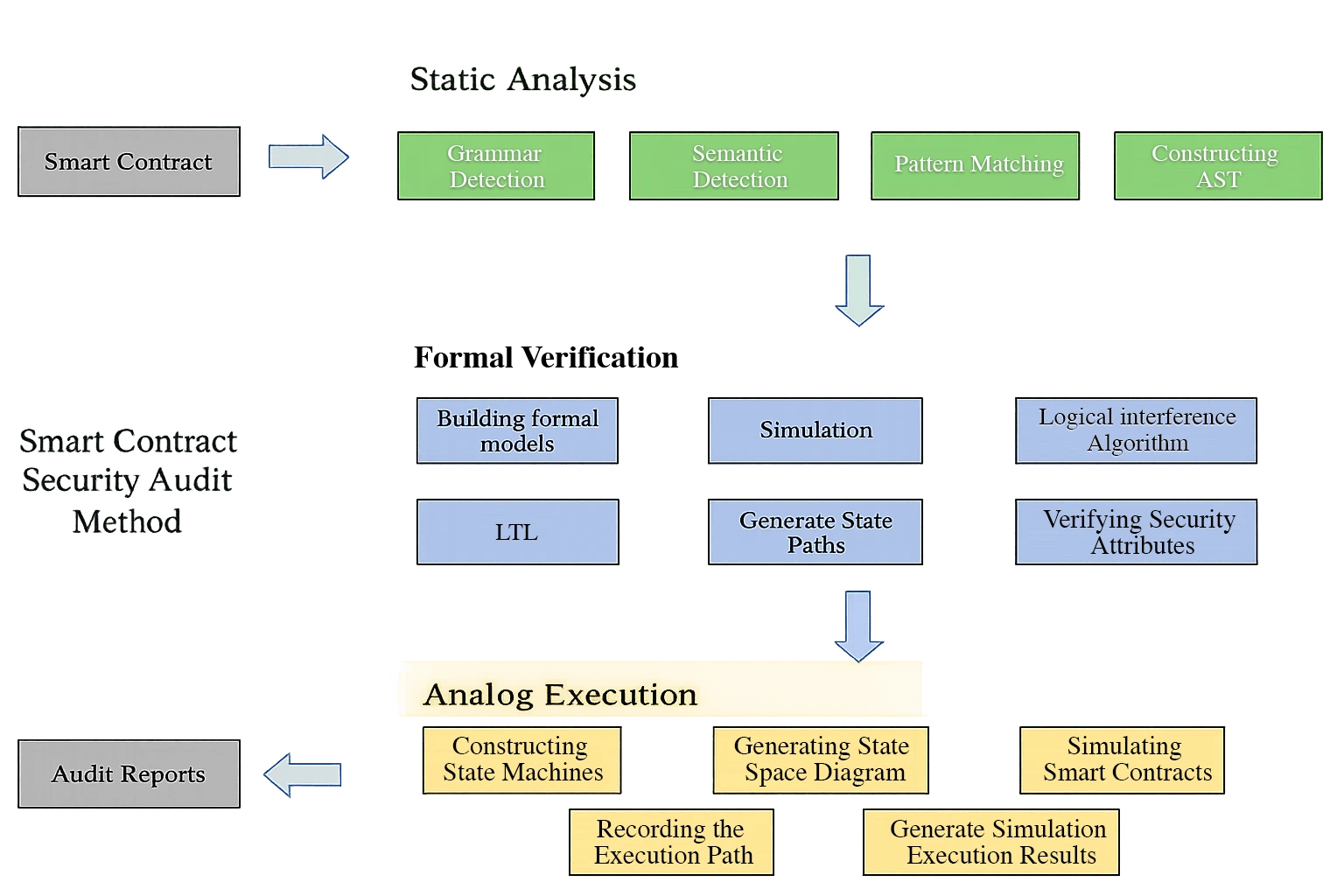
Steps in Conducting Formal Analysis
The process of conducting a formal analysis of a smart contract begins with defining the specifications of the contract. This involves clearly outlining the desired behavior and functionality of the contract, as well as any constraints or requirements that need to be met. These specifications serve as a blueprint for the implementation process.
Once the specifications have been defined, the next step is to implement the contract in a programming language that supports formal semantics. This involves translating the specifications into code, using the syntax and structure of the chosen programming language. The implementation process requires careful attention to detail, as any mistakes or errors in the code could lead to unexpected behavior or vulnerabilities.
After the contract has been implemented, the next crucial step is to use formal methods to verify that the implemented contract behaves according to the specifications. Formal methods are mathematical techniques used to rigorously analyze and prove the correctness of software systems. In the context of smart contracts, formal methods can be applied to verify properties such as safety, liveness, and fairness.
Formal verification involves using mathematical reasoning and logic to prove that the contract meets its specifications. This process often involves creating formal models of the contract and using automated tools to analyze these models. By applying formal verification techniques, developers can gain confidence in the correctness and reliability of their smart contracts.
Finally, testing is carried out to identify any potential errors or vulnerabilities that could be exploited. Testing involves executing the contract under various scenarios and inputs to ensure that it behaves as expected. This includes testing for edge cases, boundary conditions, and potential security vulnerabilities. Testing is an essential part of the formal analysis process, as it helps uncover any issues that may have been missed during the formal verification phase.
Mitigating Threats and Vulnerabilities in Smart Contracts
Best Practices for Secure Smart Contract Development
The first line of defense in securing smart contracts is following best practices during development. This includes the use of proper coding standards, performing regular audit and review of the code, and keeping the contract’s operations as simple as possible.
When it comes to coding standards, developers should adhere to industry best practices such as using secure coding languages, validating inputs, and implementing access controls. By following these standards, developers can reduce the risk of introducing vulnerabilities into the smart contract code.
In addition to coding standards, performing regular audit and review of the code is crucial to identify and fix any potential vulnerabilities. This can be done by conducting code reviews, penetration testing, and vulnerability assessments. By continuously evaluating the code, developers can stay one step ahead of potential threats.
Furthermore, keeping the contract's operations as simple as possible is another important aspect of secure smart contract development. Complex and convoluted code can increase the likelihood of introducing vulnerabilities. By simplifying the operations, developers can minimize the attack surface and make the code easier to review and analyze.
It's also advisable to stay updated on the latest threats and hacking techniques. This can be achieved by actively participating in the smart contract security community, attending conferences and workshops, and following reputable sources of information. By staying informed, developers can proactively address emerging threats and implement necessary security measures.
Moreover, developing stringent testing procedures is essential to guard against risks. This includes conducting comprehensive unit testing, integration testing, and functional testing. By thoroughly testing the smart contract code, developers can identify and resolve any vulnerabilities before deploying the contract.
Future Trends in Smart Contract Security
As more valuable transactions are carried out using smart contracts, the demand for smart contract security will only continue to grow. Future trends in this space could include increased use of formal verification, machine learning techniques to identify vulnerabilities, and the development of more advanced security tools.
Formal verification is a technique that involves mathematically proving the correctness of a smart contract. By using formal methods, developers can eliminate potential vulnerabilities and ensure the contract behaves as intended. This approach provides a higher level of assurance in the security of smart contracts.
Conclusion: The Future of Smart Contracts and Formal Analysis
Formal analysis represents a promising approach to improving the security of smart contracts, and as the adoption of blockchain technology continues to surge, the demand for robust smart contract analysis tools and techniques is expected to rise in tandem.
Indeed, the bright future of smart contracts and their potential to revolutionize industry sectors lies squarely in our ability to ensure their absolute security and reliability. As the technology matures and evolves, so too must our methods for verifying, securing, and improving it.
Smart contract security in 2025 is shaped by advancements in formal verification, automated auditing, and vulnerability detection tools that provide mathematically sound guarantees of contract correctness. Emphasis on rigorous testing and real-time monitoring tools helps developers proactively identify and patch vulnerabilities before deployment. Enhanced standards and best practices for secure coding, along with AI-powered threat detection, are fostering greater trust and adoption across industries. As smart contracts become more complex and integrated, continuous security innovation remains pivotal to safeguard assets and maintain ecosystem integrity.

Strengthen Your Smart Contract Security with Datopic
At Datopic Technologies, we help enterprises safeguard decentralized ecosystems through formal analysis, vulnerability detection, and AI-powered auditing—ensuring every smart contract is secure, compliant, and resilient.
👉 Explore Services
👉 Request a Consultation
Build trust and security into your blockchain solutions with Datopic’s smart contract assurance expertise.