

Virtual kidnapping and AI voice cloning are two technological advancements that have brought new risks and challenges to our digital age. In this article, we will delve into the various aspects of virtual kidnapping and the role of AI, particularly AI voice cloning, in facilitating such crimes. We will also explore ChatGPT, a tool that has gained popularity in AI voice cloning, and the potential legal, ethical, and personal implications it poses. Furthermore, we will discuss ways to protect ourselves from virtual kidnapping attempts and look into the future of AI and its impact on cybercrime prevention.

Understanding Virtual Kidnapping: An Overview
Virtual kidnapping is a form of extortion that capitalizes on fear and psychological manipulation. In such cases, criminals pretend to have abducted a loved one and demand a ransom for their release. It operates remotely, targeting victims via phone calls or digital messages. The Consequences can be devastating, with victims experiencing immense emotional distress and financial losses.
Law enforcement agencies, including the FBI, have issued public warnings, noting a significant increase in the sophistication and frequency of these scams." adds immediate credibility.
Over the years, virtual kidnapping cases have seen a rise worldwide, with unsuspecting individuals becoming targets. These sophisticated criminals adapt their tactics to exploit technology and capitalize on our vulnerabilities.
Virtual kidnapping is a terrifying crime that preys on the fears and emotions of its victims. The Criminals behind these schemes are experts in psychological manipulation, using various tactics to instill panic and force their victims into complying with their demands. They often gather personal information about their targets, such as their names, addresses, and even details about their family members, to make their threats seem more credible.
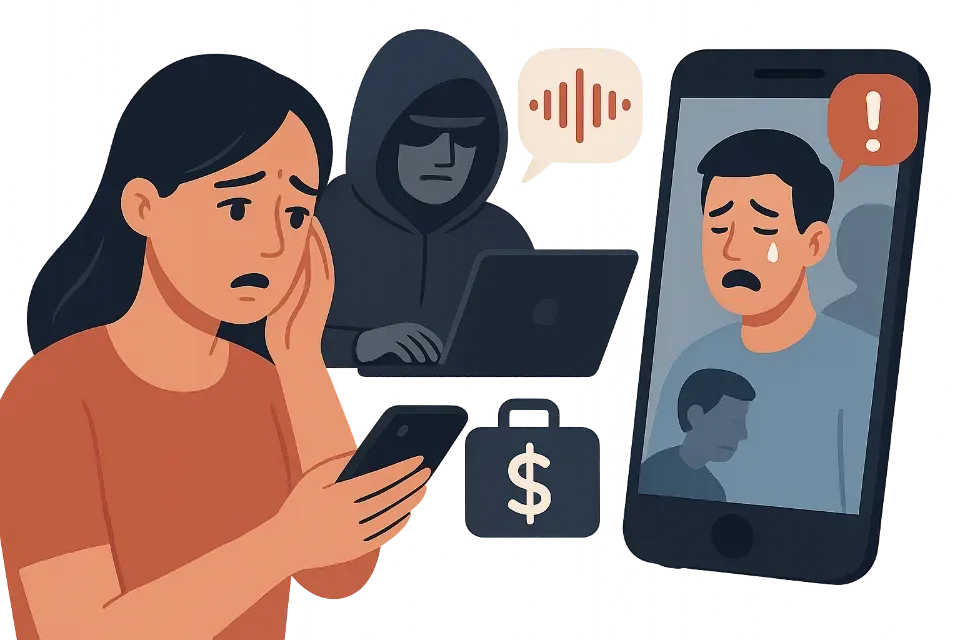
One common method used by virtual kidnappers is to make a phone call to the victim,pretending to have already abducted their loved one. They may use voice-changing technology to disguise their identity and create a sense of urgency. The victim may hear the sound of someone crying or begging for help in the background, further adding to their distress.
In addition to phone calls, virtual kidnappers also utilize digital messages, such as emails or text messages, to intimidate their victims. They may send photos or videos that appear to show their loved one in captivity, increasing the emotional turmoil experienced by the victim. These Messages often contain explicit threats and strict instructions on how to proceed with the ransom payment.
Virtual kidnapping cases have become increasingly prevalent in recent years, with criminals exploiting advancements in technology to carry out their schemes. They can easily manipulate caller ID information, making it appear as though the call is coming from a trusted source, such as a government agency or law enforcement. This adds an extra layer of credibility to their threats and increases the likelihood of the victim falling for their demands.
The Role of AI in Virtual Kidnapping
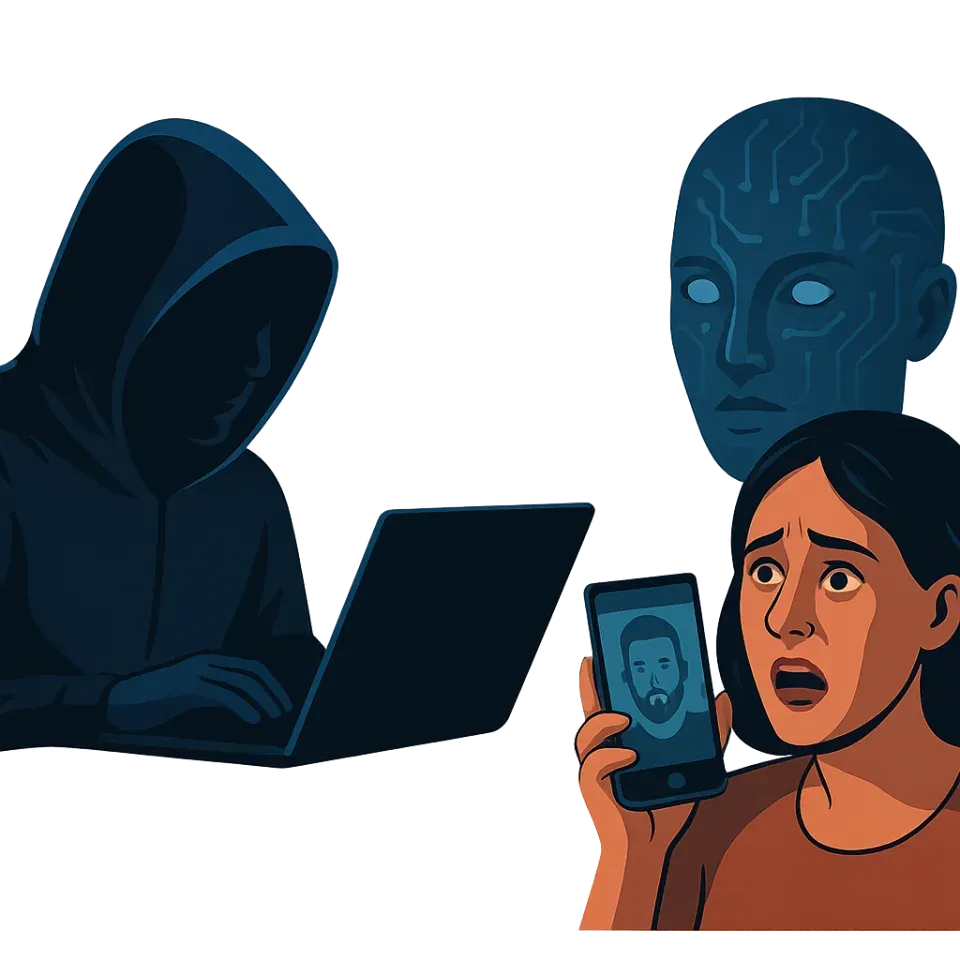
AI, particularly AI voice cloning, has emerged as a powerful tool in the arsenal of virtual kidnappers. Voice cloning involves creating artificial voices that sound just like the target individual by analyzing their existing voice samples. This technology can be used to create convincing ransom calls, making it difficult for victims and law enforcement to distinguish between real and fake calls.
However, the implications of AI in virtual kidnapping go beyond just voice cloning. The Advancements in AI technology have also led to the development of sophisticated algorithms that can analyze and mimic human behavior, making it easier for virtual kidnappers to manipulate their victims. These algorithms can study the target's online presence, social media activity, and even personal preferences to create a highly realistic and personalized virtual kidnapping experience.
Advanced AI models are central to this threat. While text-based models like ChatGPT demonstrate AI's ability to generate human-like conversation, it is specialized AI voice cloning or voice synthesis platforms that pose the direct risk. These tools can analyze just a few seconds of a person's audio to create a realistic, synthetic copy of their voice.
ChatGPT's ability to generate human-like responses and engage in natural conversations makes it a perfect tool for virtual kidnappers to deceive their victims. By leveraging the power of AI,they can create chatbots that simulate real people, engaging in conversations that seem authentic and trustworthy. This level of sophistication can easily trick victims into divulging sensitive information or complying with the kidnappers' demands.
Moreover, AI voice cloning combined with ChatGPT's language capabilities can further enhance the illusion of a real person being present during a virtual kidnapping. The voice cloning technology can generate the ransom calls, while ChatGPT can provide real-time responses to the victim's reactions and questions. This dynamic interaction can make the experience even more terrifying for the victim, as they believe they are dealing with an actual human kidnapper.
As technology continues to advance, it is crucial for law enforcement agencies and developers to stay ahead of virtual kidnappers. Efforts are being made to develop robust detection systems that can identify and flag suspicious activities related to virtual kidnapping.These systems aim to analyze patterns in communication, voice characteristics, and behavioral cues to differentiate between genuine and AI-generated interactions.
ChatGPT: A Tool for AI Voice Cloning
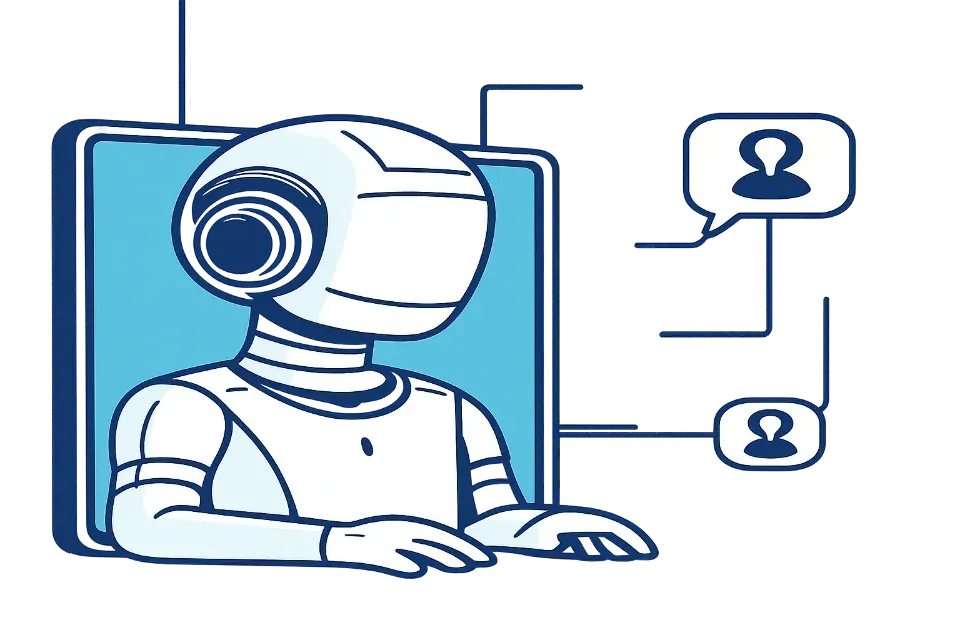
ChatGPT is a cutting-edge AI language model trained on vast amounts of text data to simulate human-like conversations. Its ability to mimic speech patterns makes it a powerful tool for applications like voice assistants, audiobook narration, and dubbing. However, its misuse in virtual kidnapping is a growing ethical concern.
By leveraging AI voice cloning, criminals can generate synthetic voices that sound like a victim’s family member or friend, adding authenticity to their threats. This raises serious privacy, security, and legal questions. As technology advances, distinguishing between real and synthetic voices becomes increasingly difficult.
Addressing these risks requires robust regulations governing AI voice cloning tools like ChatGPT. Public education on potential vulnerabilities can empower individuals to protect themselves. Continued collaboration among AI experts, law enforcement, and ethicists is essential to develop countermeasures and safeguards that ensure AI technologies are used responsibly.
The Legal and Ethical Implications

Virtual kidnapping, a terrifying crime that preys on people's fears and vulnerabilities, has become a growing concern in recent years. While laws against this heinous act do exist in some jurisdictions, they have yet to catch up with the rapid advancements in AI and voice cloning technology. As a result, a legal loophole has emerged, leaving individuals at risk and perpetrators emboldened.
To combat virtual kidnapping, it is crucial to close this legal loophole. Governments and law enforcement agencies must collaborate with technology experts and researchers to develop regulations that address the threats posed by virtual kidnapping and AI voice cloning. Creating these regulations is complex and requires a deep understanding of the technology involved. AI voice cloning, with its ability to replicate someone's voice with astonishing accuracy, poses a significant challenge. The intricacies of this technology must be thoroughly analyzed to ensure that the regulations are effective and enforceable.
The ethical implications of AI voice cloning are equally significant. Striking a balance between technological innovation and protecting individuals from harm is delicate. While AI voice cloning can revolutionize industries such as entertainment, customer service, and healthcare, it can also be misused for malicious purposes, causing serious damage to individuals and society.
Addressing this ethical dilemma calls for a collective effort from various stakeholders. Tech Companies, researchers, and policymakers must come together to establish ethical guidelines and practices that ensure the responsible use of AI technology. These guidelines should encompass not only the development and deployment of AI voice cloning but also its potential impact on privacy, consent, and the overall well-being of individuals.
Moreover, public awareness and education play a crucial role in navigating the legal and ethical landscape surrounding AI voice cloning. It is essential to inform and empower individuals about the risks and safeguards associated with this technology. By fostering a knowledgeable and vigilant society, we can collectively protect ourselves and mitigate the potential harm caused by virtual kidnapping and AI voice cloning.
Protecting Yourself from Virtual Kidnapping
Virtual kidnapping is a terrifying crime that preys on people's fears and exploits their vulnerabilities. It is essential to be vigilant and educated about the signs of a virtual kidnapping attempt to protect yourself from falling victim to such a traumatic experience.
One of the key indicators of a virtual kidnapping attempt is receiving unusual or unexpected phone calls. These calls might come from an unknown number or a blocked caller ID, making it difficult to identify the source. The callers often use high-pressure tactics, demanding immediate action to create a sense of urgency and panic.
Another red flag to watch out for is threats of harm. Virtual kidnappers will employ various intimidation techniques, such as threatening to harm you or your loved ones if their demands aren't met. These threats are designed to instill fear and make you more likely to comply with their demands.
Inconsistencies in the narrative provided by the caller can also serve as a warning sign. Virtual Kidnappers often rely on deception and manipulation, providing false information or conflicting details to confuse their victims. Paying attention to these inconsistencies can help you identify a potential virtual kidnapping attempt.
If you find yourself targeted by virtual kidnappers, it is crucial to remain calm and composed.Panic can cloud your judgment and hinder your ability to take appropriate action. Take a deep breath and remind yourself that you have the power to protect yourself.
The first step is to contact law enforcement authorities immediately. Provide them with all available information about the calls, including the caller's phone number, any recorded messages, and any other relevant details. Law enforcement professionals are trained to handle these situations and can guide you through the process.
The Future of AI and Virtual Kidnapping

The future of AI holds both promise and peril in the battle against virtual kidnapping. As technology advances, criminals constantly adapt their methods. It is predicted that AI will play an increasingly significant role in future cybercrime, providing criminals with sophisticated tools and methods of deception.
However, the responsibility to combat such threats does not solely rest on individuals and law enforcement. Tech companies must also take a proactive stance in preventing the misuse of technology. This involves implementing rigorous safety measures, collaborating with experts,and constantly updating their tools to stay ahead of cybercriminals.
Virtual kidnapping is a form of extortion where criminals use technology to create a false sense of urgency and fear in their victims. They may employ AI algorithms to generate realistic voice messages or deep fake videos, making it appear as if a loved one has been kidnapped. These Tactics prey on the emotions and vulnerabilities of individuals, making them more likely to comply with the demands of the criminals.
To combat this growing threat, experts anticipate that cybercriminals will increasingly exploit AI in their criminal activities. They may leverage AI algorithms for generating sophisticated phishing emails, deep fake videos for extortion purposes, or even using AI to bypass security measures. The challenge lies in developing countermeasures and advancing cyber security protocols to protect individuals, organizations, and society as a whole from these emerging threats.
Moreover, the role of tech companies in preventing the misuse of AI cannot be understated.They have a crucial responsibility to ensure the responsible and ethical use of AI. This involves not only prioritizing user safety but also investing in robust security measures and conducting rigorous ethical reviews of their AI technologies.
Collaboration is key in this battle against virtual kidnapping and AI voice cloning. Tech Companies must work together with industry peers, academia, and policymakers to foster a collective approach in combating the challenges posed by these emerging technologies. By Sharing knowledge, resources, and best practices, they can stay one step ahead of cyber criminals and protect the public from the harms of virtual kidnapping.

Partner with Datopic to Strengthen AI Safety
At Datopic Technologies, we help organizations stay ahead of emerging AI-driven threats through responsible AI engineering, security-focused innovation, and proactive risk mitigation strategies.
👉 Explore Services
👉 Request a Consultation
Let Datopic help you build a safer, more resilient digital environment in an AI-powered world.