
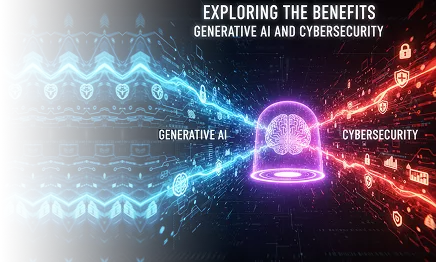
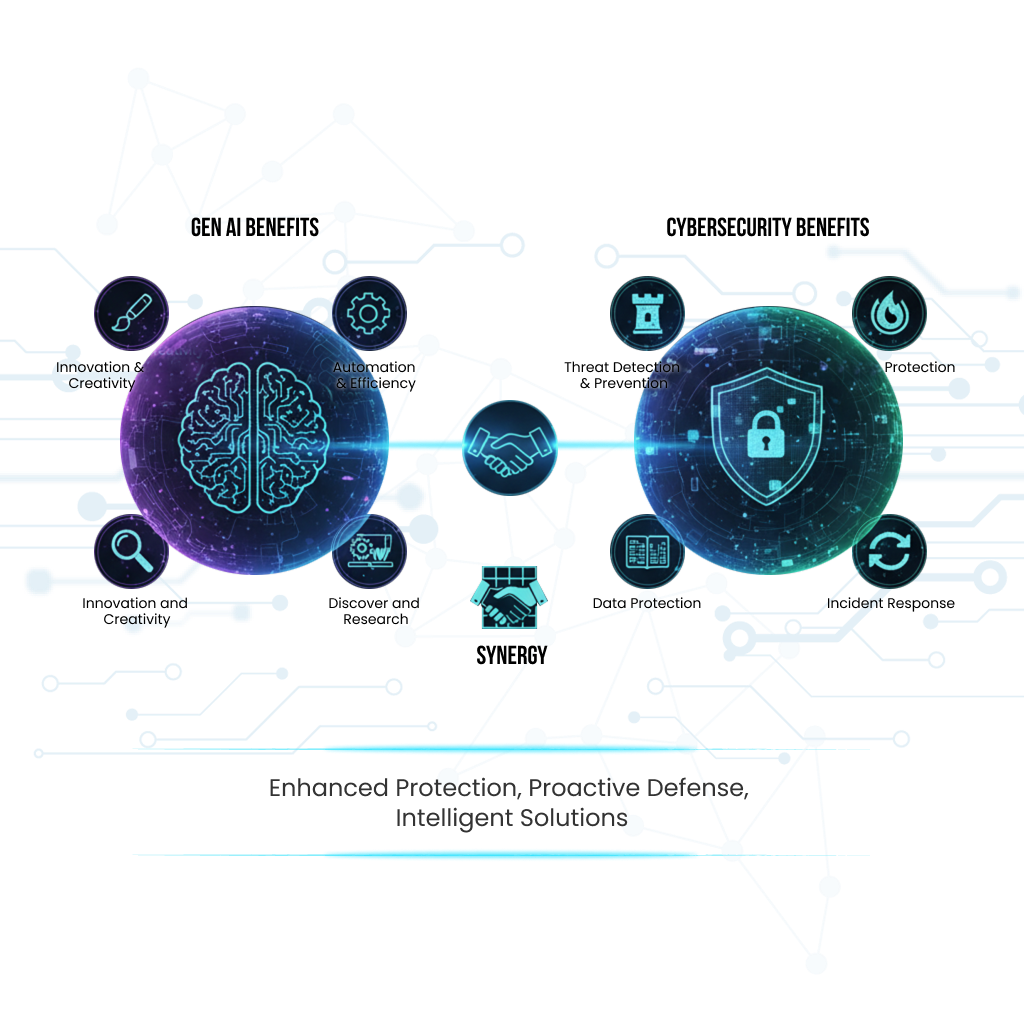
Dive into the dynamic intersection of generative AI and cybersecurity, where innovation meets digital defense! Generative AI and cybersecurity are rapidly evolving fields that have gained significant attention in recent years. In this article, we’ll explore how generative AI is revolutionizing cybersecurity, uncovering its game-changing benefits, tackling its challenges, and revealing the exciting potential it holds for a safer digital future.
Understanding Generative AI
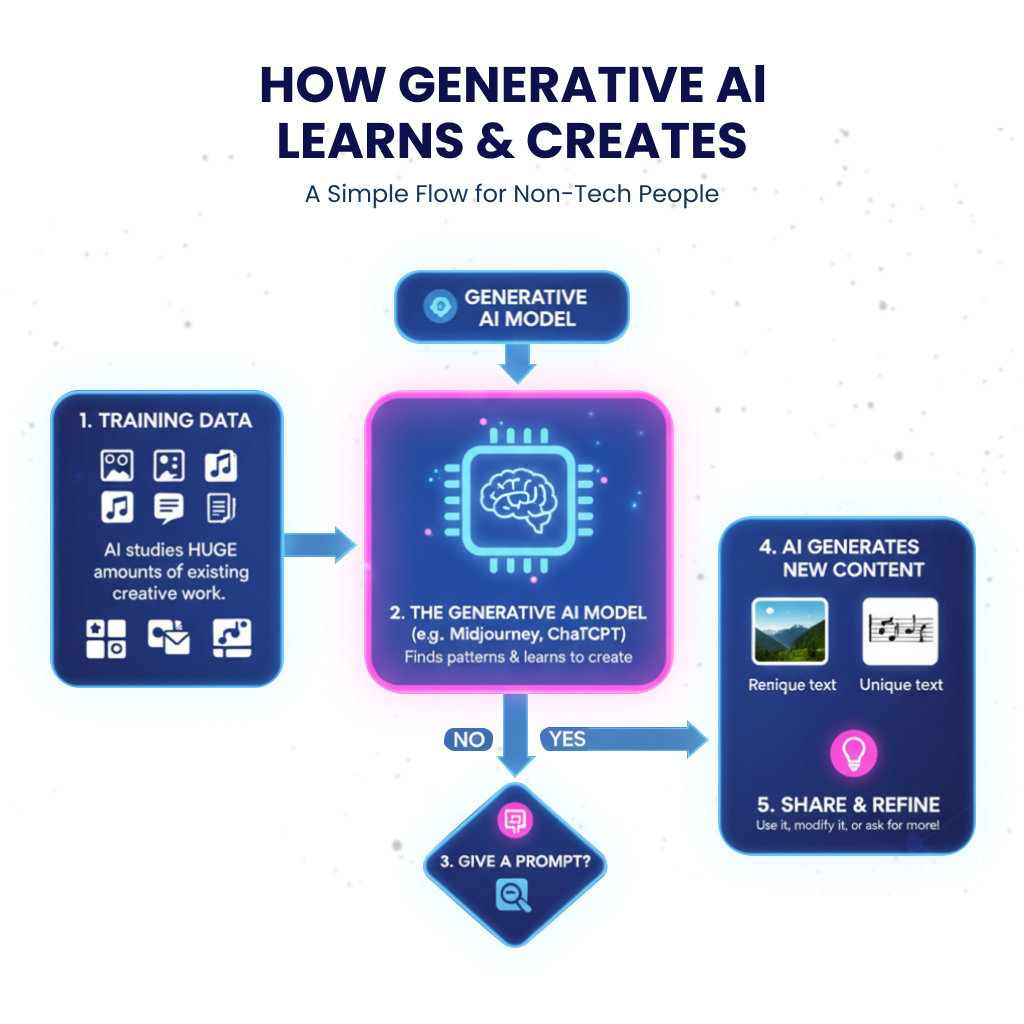
Before we dive into the applications of generative AI in cybersecurity, let's first understand what generative AI truly is. Generative AI, sometimes referred to as deep generative models, is a branch of artificial intelligence focused on creating new content—such as images, music, or text—based on patterns learned from data.
Generative AI involves training models to recognize patterns and generate new samples based on these learned patterns. While traditional AI models perform classification or prediction tasks, generative AI models create new data samples that mimic the training data, enabling content generation in a more creative and flexible way.
Generative AI has evolved significantly over the years, thanks to the relentless efforts of researchers and developers. The field has witnessed numerous advancements, from early models like Generative Adversarial Networks (GANs) to more advanced techniques like Variational Autoencoders (VAEs). These advancements have not only improved the quality and diversity of generated content but have also opened up new possibilities for creative expression.
One of the key features of generative AI is its ability to learn from large datasets. By training on vast amounts of data, generative AI models can capture intricate patterns and nuances, enabling them to generate content that reflects the characteristics of the training data. This capability makes generative AI especially valuable in creative fields such as art, design, and entertainment.
Another important feature of generative AI is its capability to generate realistic content. Through the use of complex algorithms and neural networks, generative AI models can produce images, music, and text that closely resemble human-created content. This realism opens up avenues for applications in areas such as virtual reality, computer graphics, and even content creation for marketing and advertising. Furthermore, generative AI can adapt to different styles and preferences. By training on diverse datasets, generative AI models can learn to generate content that aligns with specific styles, genres, or even individual preferences. This adaptability makes generative AI a versatile tool that can be tailored to various domains and industries, including fashion, music composition, and personalized content generation.
Generative AI in Cybersecurity
Now that we have a solid understanding of generative AI, let's explore how it can be applied in the field of cybersecurity. Cybersecurity is a rapidly evolving field that requires constant innovation to stay ahead of cyber threats. Generative AI, with its ability to process large amounts of datasets and generate synthetic samples, has emerged as a valuable tool in bolstering cybersecurity defenses.
The Role of Generative AI in Cybersecurity
In cybersecurity, generative AI enhances defenses by analyzing data patterns and producing synthetic attack simulations. By analyzing vast amounts of data, it can identify patterns and generate synthetic samples, enabling security systems to better detect and mitigate potential threats.
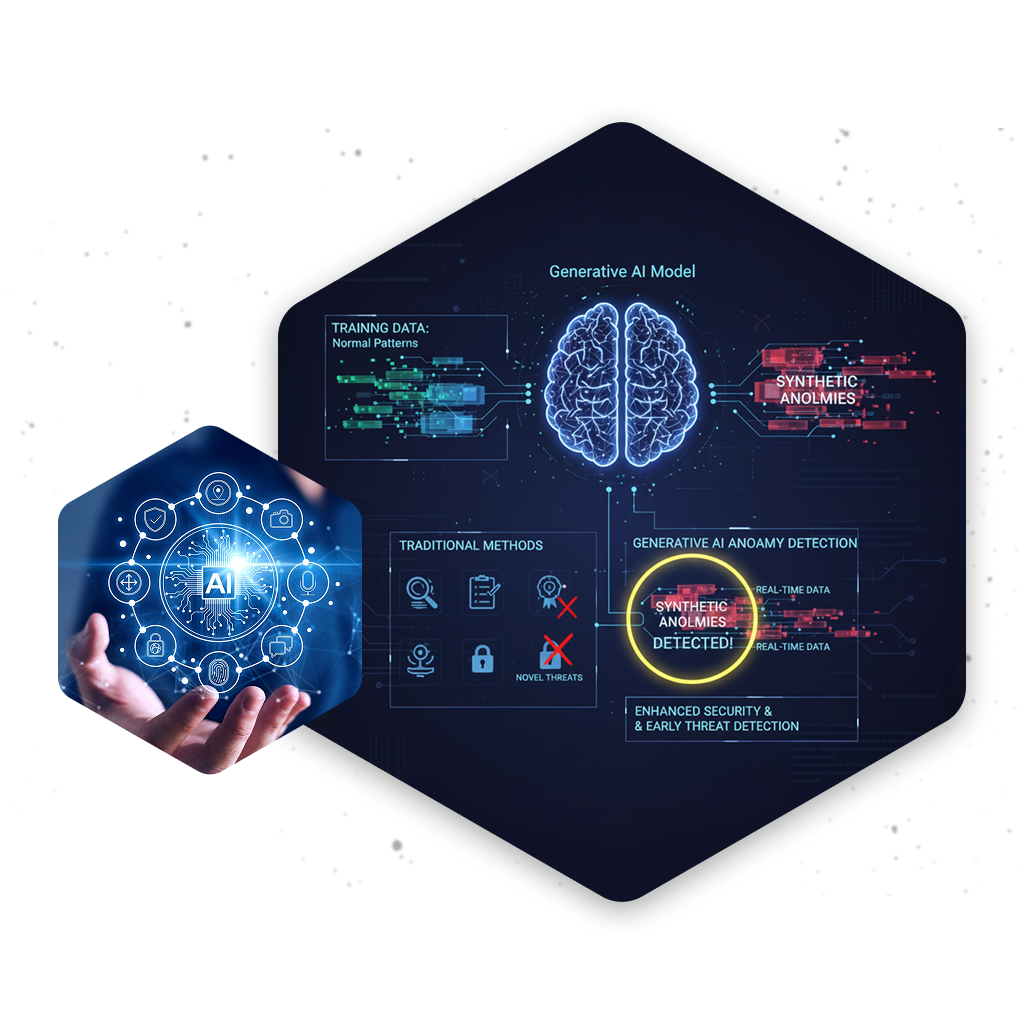
One of the key applications of generative AI in cybersecurity is in anomaly detection. Traditional methods of detecting anomalies in network traffic or user behavior rely on predefined rules or signatures. However, these methods often fail to detect novel or sophisticated attacks. Generative AI, on the other hand, can learn the normal patterns of network traffic or user behavior and generate synthetic samples that deviate from the norm. By comparing real-time data with these synthetic samples, security systems can identify anomalies and potential threats that would have otherwise gone unnoticed.
In addition to anomaly detection, generative AI can also be used in generating realistic attack scenarios for vulnerability testing. By simulating various attack vectors and generating synthetic samples that mimic real-world cyber attacks, organizations can assess the effectiveness of their security measures and identify potential vulnerabilities before they are exploited by malicious actors.
Case Studies of Generative AI in Cybersecurity
Several case studies have demonstrated the effectiveness of generative AI in cybersecurity. For instance, generative models have been used to generate synthetic network traffic, which aids in identifying and analyzing malicious activities more accurately.
In another case, generative AI has been employed to generate realistic phishing email samples, enabling organizations to train their employees to recognize and respond to phishing attempts effectively. By generating a wide range of phishing email variations, generative AI helps organizations stay ahead of evolving phishing techniques and better protect their sensitive information.
Furthermore, generative AI has also been utilized in the field of malware detection. By analyzing the characteristics and behavior of known malware samples, generative AI can generate synthetic malware samples that closely resemble real-world threats. This allows security researchers to study and develop effective countermeasures against new and emerging malware strains.
Overall, generative AI has proven to be a powerful tool in the field of cybersecurity. Its ability to analyze large amounts of data, identify patterns, and generate synthetic samples has significantly enhanced the capabilities of security systems in detecting and mitigating potential threats. As cyber threats continue to evolve, generative AI will undoubtedly continue to play a crucial role in strengthening cybersecurity defenses.
Benefits of Generative AI in Cybersecurity
The integration of generative AI in cybersecurity brings forth a multitude of benefits that can significantly enhance the effectiveness of security measures.
Generative AI can be used for synthetic data generation, where models create artificial yet realistic data based on patterns in real datasets. By leveraging advanced machine learning algorithms, generative AI has the ability to generate synthetic samples that closely resemble real data. This technology has paved the way for numerous advantages in the realm of cybersecurity.

1. Enhancing Threat Detection
The ability of generative AI to generate synthetic samples allows security systems to improve their threat detection capabilities. By analyzing both real and synthetic data, these systems can identify patterns and anomalies more accurately, enabling early detection and prompt response. Through the use of generative AI, security systems can now analyze a vast amount of data, including both historical and current information. This comprehensive analysis enables the identification of subtle patterns and behaviors that may indicate a potential cyber threat. By leveraging generative AI, security systems can stay one step ahead of cyber criminals, effectively mitigating risks and protecting sensitive information.
2. Improving Response Time
Generative AI can aid in improving response time by automating several aspects of the incident response process. By quickly analyzing and understanding the nature of the attack, security teams can respond swiftly and effectively, minimizing potential damages. When a cyber attack occurs, time is of the essence. The longer it takes for security teams to identify and respond to an attack, the more damage can be done. Generative AI helps streamline the incident response process by automatically analyzing the attack and providing valuable insights to security professionals. This automation not only reduces the response time but also ensures that the appropriate actions are taken promptly, mitigating the impact of the attack.
Potential Challenges and Solutions
While the benefits of generative AI in cybersecurity are undeniable, there are also potential challenges that need to be addressed. Ethical Considerations of Using Generative AI As generative AI becomes more prevalent in cybersecurity, there are ethical concerns that need to be addressed. These include potential misuse of generative AI technology, such as creating realistic deepfakes for malicious purposes. Implementing ethical guidelines and regulations is crucial to prevent such misuse.
Overcoming Technical Challenges
Generative AI in cybersecurity faces technical challenges that need to be overcome. These challenges include improving the diversity and quality of generated samples, enhancing the interpretability of generative AI models, and ensuring the robustness of these models against adversarial attacks. Ongoing research and collaboration are essential to address these challenges.
The Future of Generative AI in Cybersecurity
Despite these challenges, the outlook for generative AI in cybersecurity remains highly optimistic, and the future of generative AI in cybersecurity appears promising.
Emerging Trends
One of the emerging trends in the field is the use of generative AI for proactive cyber defense. By generating synthetic attack scenarios, security systems can simulate and identify potential vulnerabilities, allowing organizations to fortify their defenses. Another trend is the integration of generative AI with other advanced technologies such as machine learning and natural language processing. This integration can further enhance the capabilities of generative AI in cybersecurity.
Expert Predictions for the Future
Experts predict that generative AI will continue to revolutionize the field of cybersecurity. Advancements in generative models, coupled with increased availability of large-scale datasets, will pave the way for more accurate threat detection and effective mitigation strategies. Furthermore, as generative AI technology matures, organizations will have access to more sophisticated tools that can adapt to evolving threats and stay one step ahead of cyber attackers.
In conclusion, generative AI has the potential to revolutionize the field of cybersecurity. Its ability to generate synthetic samples, enhance threat detection, improve response time, and reduce costs makes it a valuable asset in protecting organizations from ever-evolving cyber threats. While challenges remain, ongoing research and collaboration will unlock the full potential of generative AI in cybersecurity, ensuring a safer digital landscape for all.

Partner with Datopic to Strengthen Cybersecurity with Generative AI
At Datopic Technologies, we help organizations harness the power of generative AI to proactively defend against cyber threats, detect anomalies, and simulate potential attacks—ensuring resilient, adaptive, and future-ready cybersecurity strategies.
👉 Explore Services
👉 Request a Consultation
Let Datopic help you build intelligent, AI-driven cybersecurity solutions that stay one step ahead of evolving threats.