
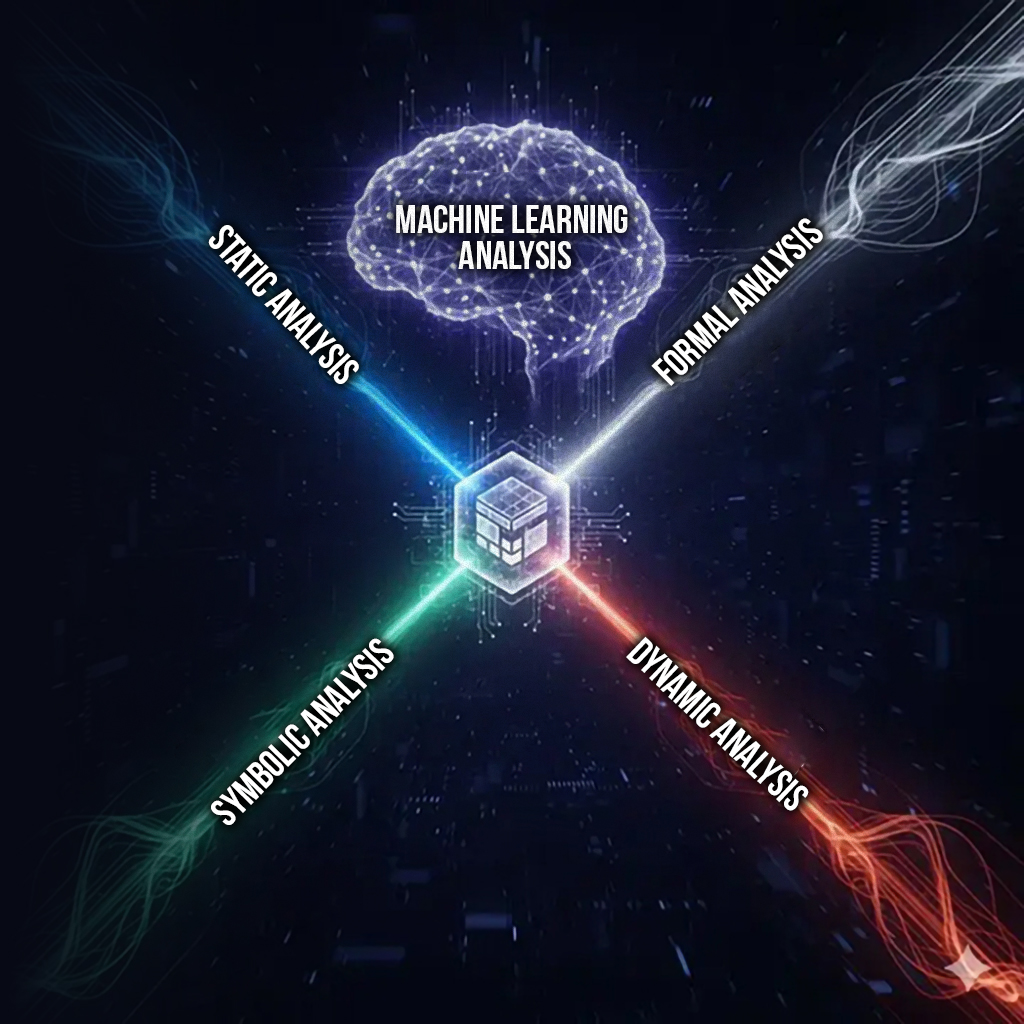
Smart contracts promise a world without middlemen—fast, secure, and automated. But here’s the catch: one tiny bug can break the system. The solution? Smart contract analyzers, the unsung heroes working behind the scenes to keep blockchain trustworthy.
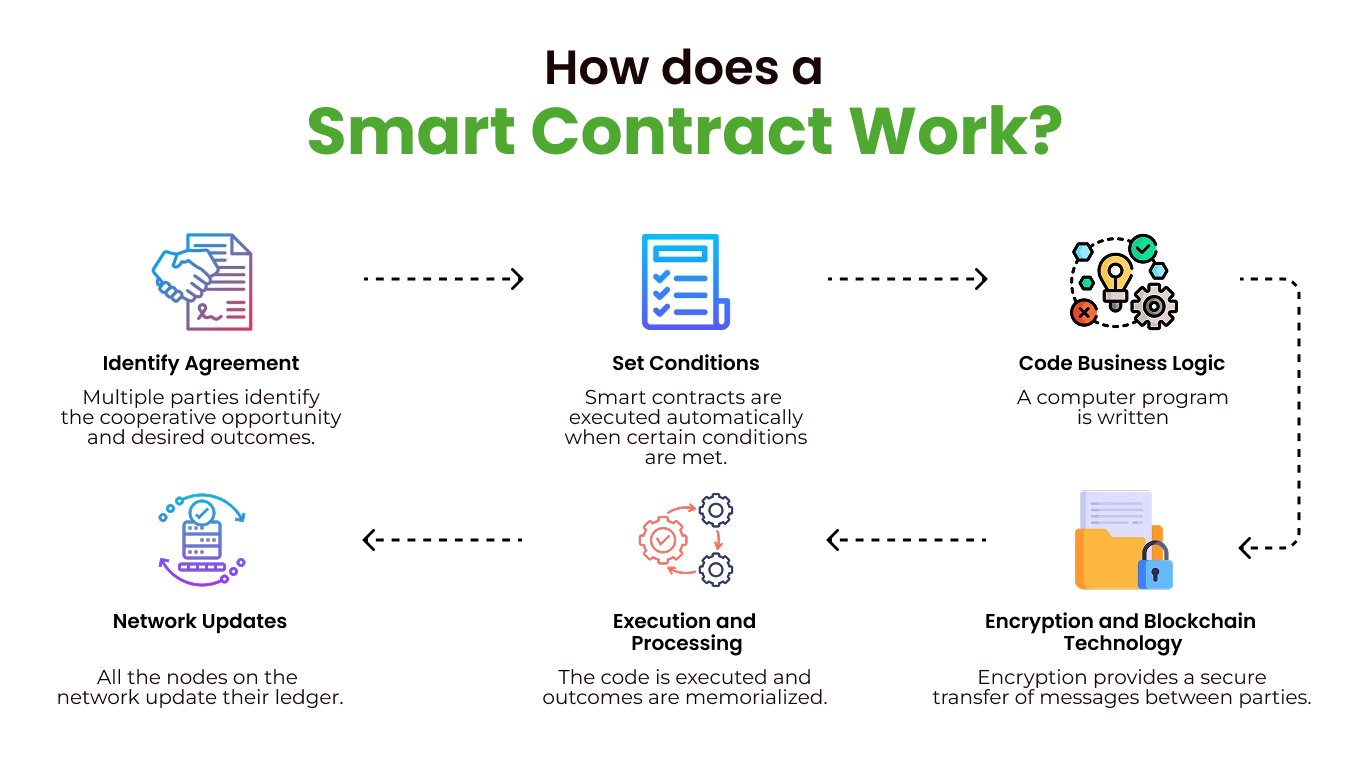
Smart contracts have emerged as a revolutionary technology, changing the way we think about digital agreements. Instead of relying on middlemen like banks, lawyers, or brokers, smart contracts allow transactions and agreements to execute automatically when certain conditions are met. This makes processes faster, cheaper, and more transparent, which is why they’re being adopted across industries such as finance, supply chains, healthcare, and even real estate. But with this rapid adoption comes a serious challenge—security and reliability. A single bug or loophole in the code can cause millions in losses, as history has already shown with several high-profile hacks. That’s where smart contract analyzers come in. These tools help developers detect vulnerabilities, optimize performance, and build trust in blockchain applications. What makes this area even more exciting is the research happening around improving these analyzers. By using advanced techniques like static analysis, symbolic analysis, formal analysis, dynamic analysis, and even machine learning-, researchers are making smart contracts not just secure, but smarter and more reliable than ever before.
Understanding Smart Contract Analyzer
Before delving into the details of different types of analysis, it is crucial to comprehend the importance of a smart contract analyzer itself. A smart contract analyzer is a tool designed to examine the code of a smart contract in order to identify potential vulnerabilities, bugs, or security flaws. By automating the analysis process, it helps developers and auditors ensure the safety and reliability of smart contracts.
Smart contract analyzers play a critical role in preventing potential issues, such as the famous "DAO hack" that resulted in the loss of millions of dollars in 2016. With the increasing complexity of smart contracts, manual analysis becomes impractical, making automated analyzers indispensable.
In addition to security, analyzers also enhance efficiency by reducing the time and effort required for code reviews. They provide developers with detailed reports, highlighting risks, recommending best practices, and ensuring compliance with industry standards. Furthermore, these tools foster trust and transparency within the blockchain ecosystem, as investors and users are more likely to engage with projects that have undergone rigorous analysis.
The Importance of Smart Contract Analyzer
One cannot overstate the significance of a smart contract analyzer in the world of decentralized finance (DeFi) and blockchain applications. Analyzers provide a layer of trust and confidence by identifying vulnerabilities that may lead to financial losses or compromise the integrity of the underlying blockchain network.
By conducting a thorough analysis, a smart contract analyzer ensures transparency and enhances security, protecting the interests of all stakeholders involved in a smart contract. Moreover, analyzers enable developers to promptly address potential issues, resulting in quicker bug fixes and minimizing the exposure to risk.
Beyond security, these tools also contribute to the scalability and long-term sustainability of blockchain projects. They can detect inefficiencies in code execution, gas optimization issues, and compliance gaps with industry standards or regulations. For organizations and developers, this translates into not only safer contracts but also more cost-effective and performant deployments.
Additionally, smart contract analyzers foster accountability and trust across the ecosystem. When projects demonstrate that their contracts have been thoroughly analyzed, it reassures investors, users, and regulatory bodies that the system is robust and less prone to failure. This credibility is especially crucial in DeFi, where billions of dollars are locked in protocols and a single overlooked flaw could have catastrophic consequences.
How Smart Contract Analyzer Works
A smart contract analyzer employs a combination of techniques and algorithms to scrutinize the code of a smart contract. These techniques vary depending on the type of analysis being performed.
Static Analysis: This technique examines the code without executing it, identifying patterns, code smells, and potential vulnerabilities. It helps in identifying common coding mistakes and enforcing coding best practices.
Static analyzers often flag issues like reentrancy attacks, arithmetic errors (such as overflows and underflows), and improper access control. Since it operates without running the code, it can be applied early in development, saving both time and resources. Developers benefit from the clear insights and suggestions these tools provide, which help maintain cleaner, more secure, and more consistent codebases.
Symbolic Analysis: Symbolic analysis investigates every possible execution path within a smart contract to uncover hidden issues and validate correctness. Instead of running the code with actual inputs, it symbolically represents variables and explores multiple scenarios to ensure that the contract behaves as expected. This approach is particularly effective for detecting subtle logic flaws, such as incorrect branching conditions or unintended outcomes, that might otherwise remain unnoticed in manual reviews. By providing exhaustive coverage of contract logic, symbolic analysis strengthens confidence in the overall design.
Formal Analysis: Formal analysis takes the evaluation process one step further by applying rigorous mathematical models and formal proofs. Through the use of logic-based techniques, this method verifies the absolute correctness of smart contract behavior under all possible conditions. Unlike heuristic or probabilistic methods, formal verification offers guarantees about the absence of specific classes of bugs or vulnerabilities. This makes it highly valuable for mission-critical contracts, such as those governing decentralized finance protocols or cross-chain bridges, where even minor errors could result in catastrophic losses.
Dynamic Analysis: Dynamic analysis evaluates smart contracts during execution, monitoring their behavior in a runtime environment. By simulating different inputs, edge cases, and real-world scenarios, it exposes runtime issues such as memory leaks, gas inefficiencies, and vulnerabilities that static analysis may overlook. Dynamic analysis is especially useful for assessing how contracts interact with external systems or other contracts. It can also uncover problems that only arise under certain conditions, making it a crucial complement to static and symbolic approaches.
Deep Dive into Different Types of Analysis
In the world of smart contracts, analysis techniques play a crucial role in ensuring the security and reliability of code. Let's take a closer look at some of the most popular analysis methods used by developers and auditors.
Static Analysis: An Overview
Static analysis is a technique focused on examining the code of a smart contract without actually executing it. This technique helps identify potential vulnerabilities or misuse of programming languages by analyzing the source code itself.
Static analysis tools scan the code to detect potential issues, such as reentrancy bugs, integer overflow, or permission-related vulnerabilities. By thoroughly examining the code structure, these tools provide valuable insights into the contract's logic and potential weaknesses.
Moreover, static analysis can also identify potential optimizations and enforce coding best practices. By analyzing the code from a security perspective, developers can proactively detect and fix vulnerabilities before deploying the contract to the blockchain network.
In addition to identifying vulnerabilities, static analysis enhances the maintainability and readability of smart contracts. By enforcing standardized coding conventions, it helps reduce complexity and ensures that contracts remain easy to review and audit—especially in collaborative environments where multiple developers contribute to the same codebase.
A key advantage of static analysis lies in its speed and automation. Since it analyzes code without execution, it can be applied continuously across different development stages, offering instant feedback to developers. This proactive approach not only saves time but also lowers remediation costs by detecting issues early—long before deployment.
Moreover, static analysis tools are often integrated into Continuous Integration (CI) pipelines, enabling automated security and quality checks during development. This fosters a security-first culture, ensuring every smart contract meets both functional and compliance standards before reaching production.
Symbolic Analysis: A Detailed Study
Symbolic analysis takes the analysis process a step further by delving deeper into the code and exploring all possible execution paths. This method generates symbolic constraints that represent the conditions and requirements for specific code paths to be executed.
Solving these constraints helps detect unreachable code or logic errors. Symbolic analysis is particularly useful in complex smart contracts with multiple decision points or dynamic inputs. By considering all possible execution paths and thoroughly analyzing the contract's behavior, symbolic analysis provides a comprehensive evaluation of the contract's reliability and security.
The Role of Research in Improving Smart Contract Analysis
Smart contract analysis is a critical area of research that plays a pivotal role in ensuring the security and reliability of blockchain-based applications. As the adoption of smart contracts continues to grow, researchers are actively working on enhancing existing analysis techniques and exploring new approaches to address emerging challenges.
Beyond simply detecting vulnerabilities, ongoing research focuses on improving the efficiency, scalability, and accuracy of analysis methods. This includes the development of automated tools that can handle increasingly complex contracts, integration of artificial intelligence and machine learning for predictive vulnerability detection, and hybrid approaches that combine multiple analysis techniques to provide a more comprehensive security assessment.
Furthermore, researchers are investigating methods to formally verify smart contracts, ensuring their correctness under all possible conditions, and to detect subtle logical or economic flaws that could lead to unintended behaviors. With blockchain ecosystems becoming more interconnected and high-value assets being managed through decentralized applications, the importance of advancing smart contract analysis cannot be overstated.
Ultimately, this research not only safeguards the functionality and integrity of individual contracts but also contributes to the overall trustworthiness and adoption of blockchain technology by developers, investors, and users worldwide.
Current Research Trends in Smart Contract Analysis
The current research trends in smart contract analysis are focused on improving the accuracy and efficiency of analysis tools. One area of interest is enhancing the precision of static analysis techniques. Researchers are developing advanced algorithms and models to better identify vulnerabilities and potential security threats in smart contracts.
Another important aspect of current research is reducing false positives in analysis results. False positives can lead to unnecessary code modifications and delays in the deployment of smart contracts. To address this, researchers are exploring innovative methods to refine the analysis process and minimize the occurrence of false positives.
Complex control flow patterns present another challenge in smart contract analysis. Researchers are investigating ways to handle these intricate patterns more effectively, ensuring that the analysis tools can accurately capture the behavior of smart contracts in different scenarios.
Moreover, researchers are exploring the applicability of formal verification techniques to real world smart contracts. Formal verification provides a rigorous method to mathematically prove the correctness of a smart contract. By applying formal verification techniques, researchers aim to increase the adoption of these methods and enhance the overall security of smart contracts.
Enhancing Intelligence through Learning and Analysis
Enhancing intelligence through learning and analysis is a fascinating concept that has gained significant traction in the field of smart contract analyzers. The intersection of learning and analysis allows for continuous improvement in the accuracy and effectiveness of these analyzers. By leveraging machine learning and data-driven approaches, developers can enhance the capabilities of smart contract analyzers to identify vulnerabilities and provide actionable insights.
The Intersection of Learning and Analysis
The intersection of learning and analysis embodies the concept of continuously improving the intelligence of smart contract analyzers. By leveraging machine learning and data-driven approaches, it becomes possible to enhance the accuracy and effectiveness of analyzers. These approaches enable analyzers to learn from past vulnerabilities and security incidents, allowing them to identify new patterns and update their detection algorithms accordingly. This adaptive nature of analyzers ensures that they can constantly adapt to emerging threats and evolving coding practices, providing developers with actionable insights and recommendations.
For instance, by analyzing large datasets containing known vulnerabilities, analyzers can train themselves to achieve high detection rates and low false positive rates. This is made possible by the ability of learning-based analyzers to recognize patterns and similarities between different vulnerabilities. By understanding these patterns, analyzers can effectively identify potential vulnerabilities in smart contracts and provide developers with timely alerts and suggestions to mitigate risks.
Beyond detecting known vulnerabilities, learning-based analyzers are increasingly being applied to predict new types of exploits before they occur. By combining historical data with real-time monitoring of deployed contracts, these analyzers can identify anomalous behaviors or suspicious interactions that may indicate an attempted attack.
Moreover, researchers are exploring hybrid frameworks that integrate machine learning with symbolic and dynamic analysis, creating a multi-layered approach to security. This not only improves detection accuracy but also helps in prioritizing vulnerabilities based on their potential impact. Another emerging area is reinforcement learning, where analyzers simulate attacks and learn optimal strategies for identifying weaknesses. This approach allows analyzers to improve over time, even in the absence of labeled datasets, making them more resilient to novel attack vectors. Finally, the integration of learning-based analysis into continuous integration (CI) pipelines ensures that smart contracts are constantly monitored and evaluated during development, enabling developers to address security issues proactively rather than reactively.
Case Studies: Successful Implementation of Learning in Analysis
Several case studies have demonstrated the successful implementation of learning techniques in smart contract analysis. By training on large datasets containing known vulnerabilities, analyzers have achieved high detection rates and low false positive rates. This has significantly improved the overall security of smart contracts and reduced the risk of potential exploits.
Furthermore, learning-based analyzers have the potential to discover new or unknown vulnerabilities. Their adaptability allows them to stay ahead of emerging threats and provide developers with timely alerts and suggestions. This adaptability is crucial in today's rapidly evolving threat landscape, where sophisticated attack techniques and novel coding practices constantly challenge the security of smart contracts.
By continuously learning from new vulnerabilities, analyzers can update their detection algorithms and improve their ability to identify emerging threats. This proactive approach ensures that developers are equipped with the necessary information to address potential vulnerabilities before they can be exploited.
In conclusion, the intersection of learning and analysis in the context of smart contract analyzers is a powerful concept that holds significant potential for enhancing the intelligence and effectiveness of these analyzers. By leveraging machine learning and data-driven approaches, analyzers can continuously learn from past vulnerabilities and adapt to emerging threats, providing developers with valuable insights and recommendations to improve the security of their smart contracts.
Case studies also highlight the benefits of integrating learning-based analyzers into real-world development pipelines. For example, projects that combined machine learning analysis with static and dynamic testing reported faster vulnerability detection, reduced remediation time, and fewer critical bugs reaching production.
Some implementations also leveraged feedback loops, where the analyzer’s predictions were validated against actual exploit attempts or audit results. This continuous feedback allowed the models to refine their detection strategies, improving accuracy over time.
Additionally, learning-based analyzers have been applied to monitor deployed smart contracts in live environments. By analyzing real-time transaction data, they can detect suspicious activities, abnormal state changes, or interactions that deviate from expected patterns. This ongoing monitoring helps prevent exploits even after deployment, extending the contract’s security beyond the development phase.
Finally, case studies suggest that as machine learning models become more sophisticated, they could eventually assist in automatic remediation or suggestion of safe code modifications, further streamlining the development of secure smart contracts.
Challenges and Solutions in Smart Contract Analysis
Smart contract analysis is a complex field that faces several challenges, requiring innovative solutions to ensure the security and reliability of blockchain-based applications. The decentralized and permissionless nature of blockchain technology poses unique challenges in enforcing code quality standards and preventing the deployment of vulnerable or malicious contracts.
One of the major challenges in smart contract analysis is the lack of a standardized programming language. Unlike traditional software development, where widely accepted languages like Java or Python are used, smart contracts can be written in various languages such as Solidity, Vyper, or Serpent. This lack of standardization makes it difficult for analyzers to develop comprehensive analysis tools that can handle different programming languages effectively.
Another challenge is the limited tool support for smart contract analysis. While there are some existing tools available, they often lack advanced features and comprehensive coverage. This makes it challenging for developers and auditors to thoroughly analyze smart contracts for potential vulnerabilities or bugs.
Furthermore, the constantly evolving nature of blockchain technology introduces new attack vectors and vulnerabilities. Smart contract analyzers need to stay up-to-date with the latest research and developments in the field to effectively detect and mitigate these risks. This requires continuous learning and updating of their knowledge and detection mechanisms.
Another important challenge is the balance between automated analysis and human expertise. While analyzers can detect common vulnerabilities and coding issues, nuanced logic errors or economic flaws often require manual review by experienced auditors. Hybrid approaches that combine automation with expert oversight are emerging as effective solutions.
Security in live environments also presents difficulties. Deployed contracts are immutable, so undetected vulnerabilities can have catastrophic consequences. This emphasizes the need for analyzers to include real-time monitoring and anomaly detection capabilities to catch issues even after deployment.
Finally, integrating learning-based techniques, such as machine learning and AI, presents both opportunities and challenges. While these approaches can adapt to emerging threats and detect subtle patterns, they require large datasets, continuous training, and careful validation to avoid false positives or missed vulnerabilities.
Innovative Solutions for Smart Contract Analysis
To overcome these challenges, researchers and developers are proposing innovative solutions to enhance the analysis of smart contracts. One of the key efforts is the standardization of smart contract programming languages. By establishing a widely accepted language, developers can benefit from a unified ecosystem with better tooling support and a larger community of experts.
Conclusion: The Future of Smart Contract Analysis
Predictions for the Future of Smart Contract Analysis
The future of smart contract analysis holds exciting possibilities. As the adoption of smart contracts continues to grow, so will the demand for advanced and intelligent analyzers.
Machine learning and artificial intelligence will play pivotal roles, enabling analyzers to automatically learn from vast amounts of data and adapt to changing threat landscapes. This constant learning and evolution will ensure the ongoing security and reliability of smart contracts.
Advancements in formal verification tools are also expected, making mathematically rigorous proofs more accessible to developers without specialized expertise. This will allow even complex contracts to be formally verified, increasing trust in high-value decentralized finance (DeFi) and enterprise blockchain applications.
Another promising trend is real-time monitoring and predictive analytics. Future analyzers may continuously observe deployed contracts, detecting anomalous behavior or suspicious transactions before exploits can occur. Coupled with automated remediation suggestions, this proactive approach could significantly reduce the risk of financial loss.
Finally, collaboration across the blockchain community will play a key role. Open-source analyzers, shared vulnerability databases, and standardized security frameworks will allow developers and auditors worldwide to benefit from collective intelligence, driving faster innovation and stronger security across the ecosystem.
The Role of Continuous Learning in Shaping the Future of Smart Contract Analysis
Continuous learning will be key in shaping the future of smart contract analysis. By embracing new techniques, updating knowledge bases, and collaborating across industry and academia, analysts can stay ahead of the curve.
By fostering a culture of continuous improvement and knowledge sharing, the smart contract analysis community will contribute to the maturation of blockchain technology and the realization of its full potential.
In summary, a smart contract analyzer plays a vital role in enhancing the security and reliability of smart contracts. Through various analysis techniques like static analysis, symbolic analysis, formal analysis, dynamic analysis, and machine learning analysis, these tools scrutinize the code to identify vulnerabilities and ensure correctness. The continuous research and development in this field further improve the effectiveness and intelligence of smart contract analyzers, enabling them to adapt to emerging threats and provide actionable insights. With the future predicted to involve more advanced analyzers driven by machine learning and continuous learning, the future of smart contract analysis looks promising and ensures the ongoing integrity of blockchain applications.

Elevate Smart Contract Security with Datopic’s Research-Driven Intelligence
At Datopic Technologies, we merge AI, formal verification, and continuous learning to advance smart contract security and reliability. Our research-driven approach empowers developers to analyze, detect, and prevent vulnerabilities across decentralized ecosystems—making blockchain applications safer and more intelligent.
👉 Explore Services
👉 Request a Consultation
Partner with Datopic to strengthen your blockchain solutions through innovation, intelligence, and trusted research-backed security.