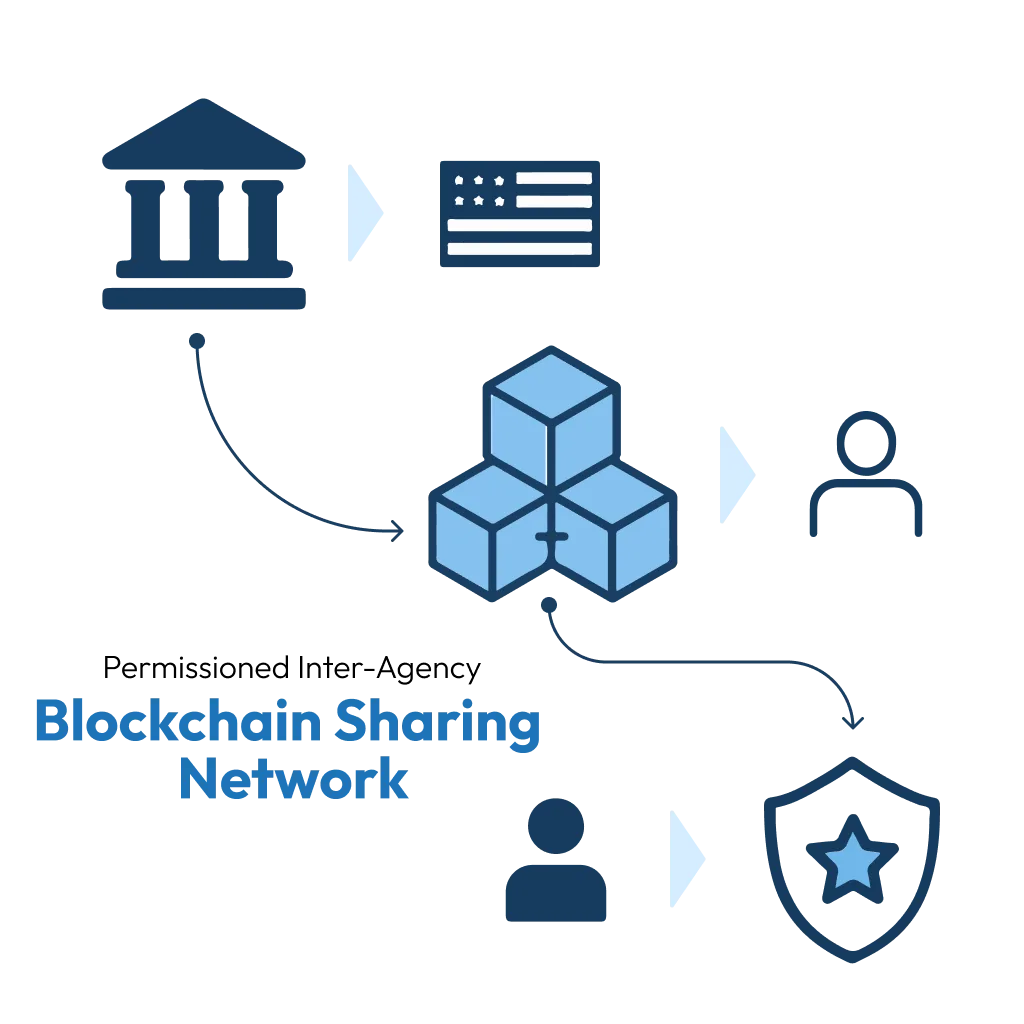

Explore how the NSA is leveraging blockchain technology to enhance data protection, secure communications, strengthen supply chains, and modernize national security operations.
Beyond Bitcoin: How the NSA is Quietly Integrating Blockchain to Fortify National Security

Blockchain technology, though popularly associated with cryptocurrencies such as Bitcoin, possesses fundamental attributes—decentralization, immutability, and cryptographic security—that extend its utility far beyond digital finance. Its potential to revolutionize data management and security is attracting interest across diverse sectors, including healthcare, supply chain logistics, and, notably, national security.
Government agencies such as DARPA, NIST, and the Department of Defense (DoD) have already explored blockchain for cybersecurity, supply chain protection, and tamper-proof logging. For the National Security Agency (NSA), whose mission revolves around intelligence, secure communication, and national cyber defense, blockchain presents a compelling strategic opportunity.
This analysis explores the compelling case for the National Security Agency (NSA) to strategically leverage blockchain technology, examining its applications for data protection, operational innovation, and the subsequent reshaping of the national security landscape.

Foundational Principles of Blockchain Technology
To fully appreciate the strategic value of blockchain for the NSA, a clear understanding of its core mechanics is essential. Fundamentally, a blockchain is a distributed, immutable ledger that cryptographically records transactions across a peer-to-peer network. This architecture ensures that once a record (a "block") is added to the chain, it cannot be retroactively altered without the consensus of the entire network, establishing a new paradigm for secure and verifiable information storage. This architecture aligns naturally with zero-trust security models, which assume no implicit trust and require continuous verification of data and identities.
Key Architectural Features
The inherent security and resilience of blockchain stem from three primary features:
Strategic Rationale for NSA Adoption
The NSA's mission—to gather foreign intelligence, protect national security systems, and secure global communications—depends on the reliability of data. Blockchain directly supports these mandates.
Enhanced Data Protection and Integrity
The agency's reliance on accurate, untampered data for critical decision-making makes blockchain's core security features invaluable.
Safeguarding Sensitive Information
Blockchain's distributed and encrypted nature provides a superior defense against cyber threats. By distributing classified data records across a secure network, the risk associated with a breach of a centralized database is significantly mitigated.
Ensuring Data Immutability
Blockchain's immutable nature guarantees that stored intelligence and operational data remain unchanged after entry. This ensures:
- Verifiable intelligence records - All data can be traced back to its source with cryptographic proof
- Tamper-evident audit trails - Any attempt to modify data is immediately detectable
- Stronger internal accountability - Clear records of who accessed and modified information
Such integrity is crucial for mission-critical decisions where data accuracy cannot be questioned.
Potential Operational Innovations
Beyond foundational data security, blockchain integration could catalyze several transformative innovations within the NSA's operational framework:

Blockchain-based Secure Communication Architecture
Secure, Confidential, and Quantum-Resistant Communication Channels
The NSA could deploy blockchain to underpin secure communication protocols. By encrypting messages and distributing the transaction records across a private blockchain, the agency can create communication channels highly resistant to interception, ensuring real-time confidentiality for mission-critical exchanges with security of quantum-resistant cryptographic algorithms.
Implementation Challenges and Considerations
While the potential benefits are substantial, the effective deployment of blockchain within a high-stakes environment like the NSA is contingent upon overcoming several significant technical and regulatory hurdles.
Summary
As the digital threat landscape continues to evolve, the NSA must continuously seek innovative solutions to maintain its operational edge. Blockchain technology presents a compelling opportunity to significantly enhance data protection, fortify supply chains, and streamline intelligence sharing.
The transition will require meticulous planning and a balanced approach to innovation, security, and privacy concerns. The NSA's ability to navigate the technical and regulatory challenges associated with blockchain adoption will be a critical factor in determining its future success in securing the nation's digital infrastructure and intelligence operations.
The strategic integration of this technology could herald a new era in the agency's approach to data management, ultimately contributing to a more resilient national defense posture.