

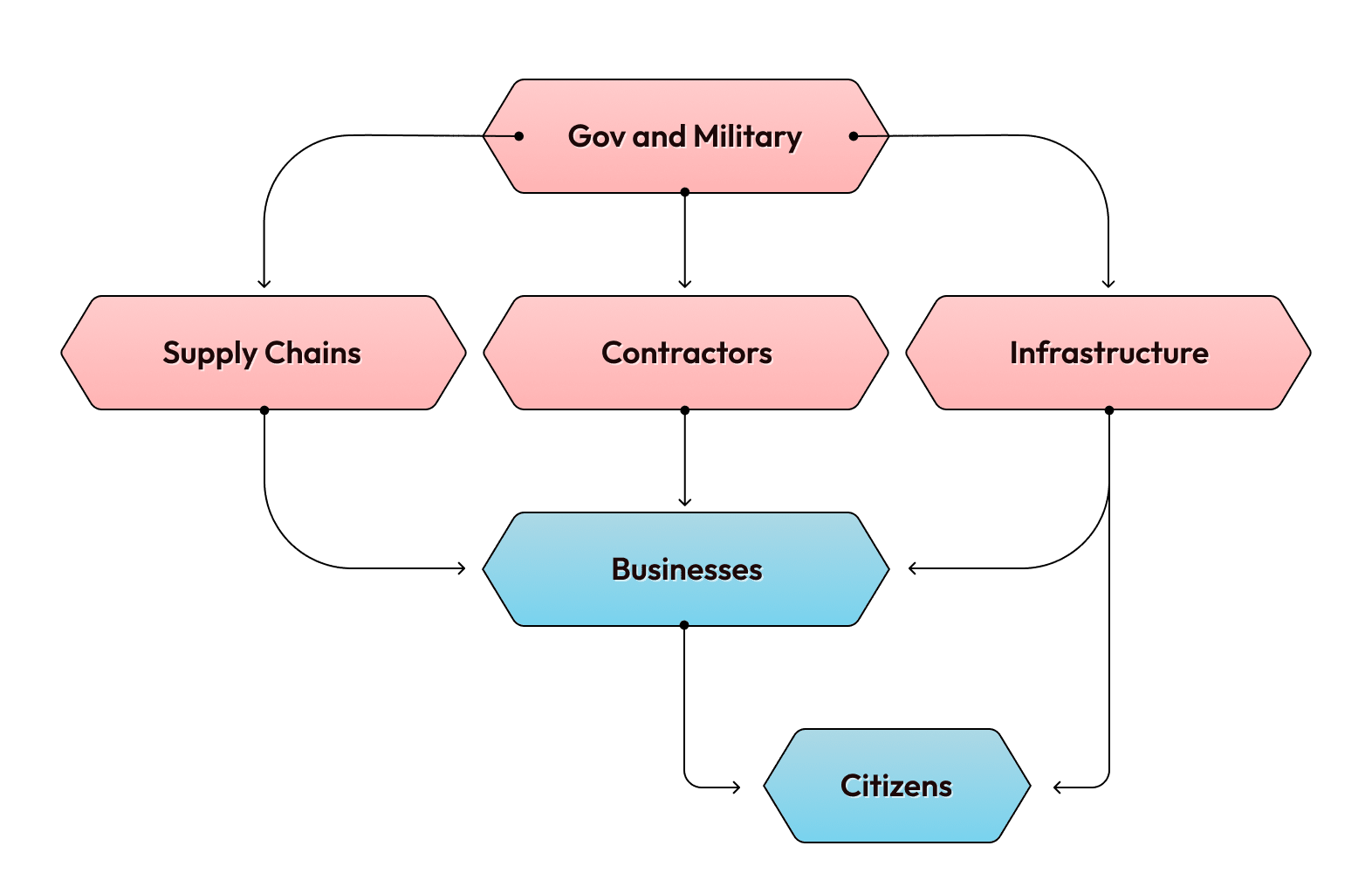
The cybersecurity landscape has become increasingly complex and sophisticated in recent years. Government and military entities in Ukraine and Poland find themselves under constant scrutiny from cybercriminals and state-sponsored hackers. These attacks not only pose severe risks to national security but also have far-reaching implications for businesses and general users in these countries.
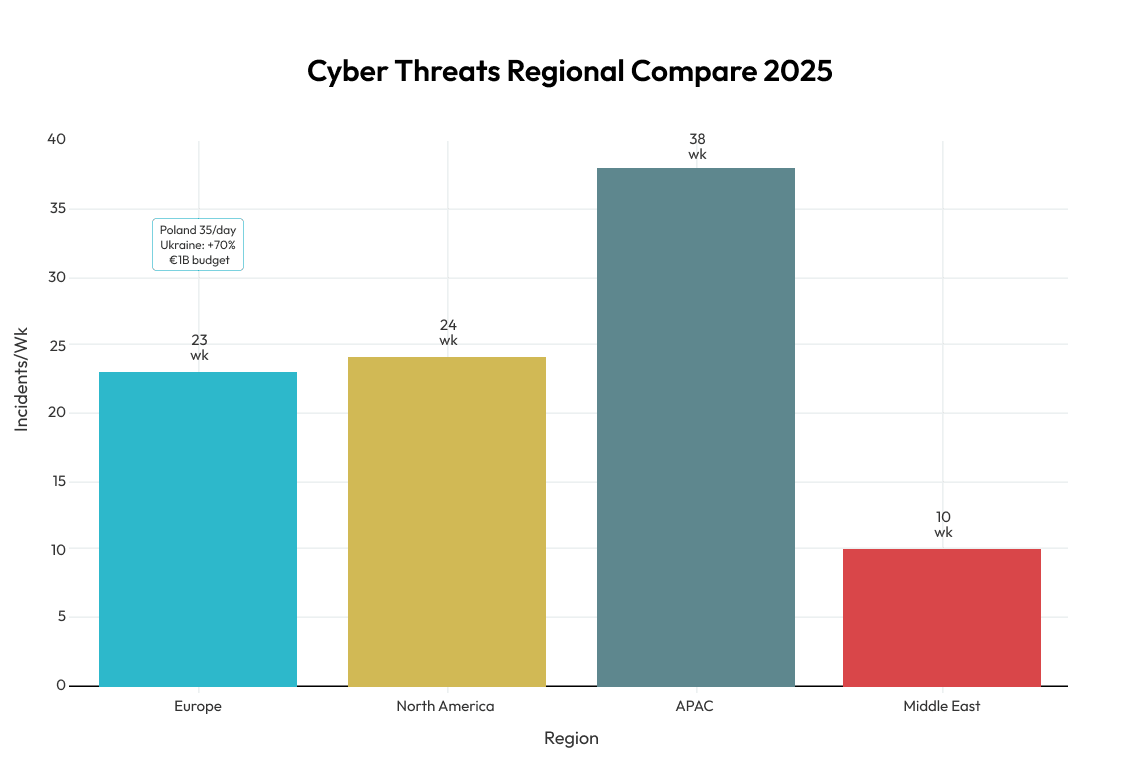
Government and Military Entities in Ukraine and Poland Under Attack
Cyber threats targeting Ukrainian and Polish government organizations have reached alarming levels. These malicious actors employ a wide range of techniques to infiltrate sensitive networks and gain unauthorized access to confidential data. To combat these threats effectively, it is crucial for these government bodies to adopt robust cybersecurity measures. Protecting military institutions from cyber attacks is of utmost importance to ensure that national defense mechanisms remain intact. Hackers often seek to implant malware and gain control of critical military systems, potentially compromising the safety and security of a nation. Strong defensive capabilities coupled with constant monitoring are essential to mitigate these threats.
Ukraine and Poland have become prime targets due to their geopolitical positions and involvement in international affairs. These countries are constantly exposed to state-sponsored attacks, hacktivist groups, and cybercriminal organizations seeking to exploit vulnerabilities and gain access to sensitive information.
Government entities play a vital role in the functioning of a nation, handling critical infrastructure, national security, and public services. As such, they are prime targets for cyber attacks aimed at disrupting government operations, stealing classified information, or spreading false narratives to sow chaos and confusion among the population.
Common Attack Techniques
One of the most common techniques employed by hackers is phishing, where they send deceptive emails or messages to government employees, tricking them into revealing their login credentials or downloading malware-infected attachments. These attacks are often carefully crafted to appear legitimate, making it challenging for even the most vigilant individuals to identify them.
Once inside a government network, hackers can move laterally, exploring different systems and escalating their privileges to gain access to more sensitive data. They may exploit unpatched vulnerabilities in software or use sophisticated techniques such as zero-day exploits, which target previously unknown security flaws.
Defense Strategies for Government Entities
Given the significant consequences of a successful cyber attack on government or military entities, it is imperative for these organizations to prioritize cybersecurity. This involves implementing multi-layered defense mechanisms, including firewalls, intrusion detection systems, and regular security assessments.
Furthermore, continuous monitoring and threat intelligence gathering are crucial to detect and respond to cyber threats promptly. Government entities must establish Security Operations Centers (SOCs) staffed with skilled cybersecurity professionals who can proactively monitor networks, analyze potential threats, and respond swiftly to mitigate any breaches.
Collaboration between government agencies and international partners is also essential to combat cyber threats effectively. Information sharing, joint exercises, and coordinated incident response efforts can help strengthen the collective defense against cyber attacks.
Cyber Attacks Extend to Businesses and General Users
As the digital landscape continues to evolve, cyber attacks have become a pervasive threat extending beyond government and military organizations. In recent years, cyber criminals have shifted their focus towards the business sector and general users in Ukraine and Poland, causing widespread concern.
Ransomware: A Major Threat to Businesses
"The financial implications of ransomware attacks can be devastating, with businesses forced to either pay the ransom or face potentially irreparable damage to their operations."
One of the most prevalent forms of cyber attack on businesses is ransomware. This malicious software infiltrates a company's network and encrypts vital data, rendering it inaccessible to the rightful owners. Hackers then demand a hefty ransom in exchange for the decryption key, effectively holding the company's valuable information hostage.
Business Defense Measures
To combat the rising threat of ransomware attacks, businesses are increasingly implementing proactive measures. Regular security audits allow companies to identify vulnerabilities in their systems and address them before they can be exploited by cyber criminals. Additionally, employee training programs are being developed to educate staff about the various forms of cyber attacks and how to recognize and respond to them.
By equipping employees with the knowledge and skills needed to identify and report suspicious activity, businesses can significantly enhance their overall security posture.
Protecting General Users
It is crucial not to overlook the risks faced by general users in Ukraine and Poland. Cyber criminals are adept at exploiting human vulnerabilities through social engineering and phishing techniques. These attacks often involve tricking individuals into revealing sensitive information or downloading malicious software by posing as a trusted entity, such as a bank or an online service provider.
To protect themselves, general users must remain vigilant and adopt best practices in cybersecurity. Enabling multi-factor authentication adds an extra layer of security by requiring users to provide multiple forms of identification before accessing their accounts. Additionally, keeping software up-to-date is essential as it ensures that any known vulnerabilities are patched, reducing the risk of exploitation by cyber criminals.
Unveiling the Malicious Tactics: VBA Code and Malware Stages
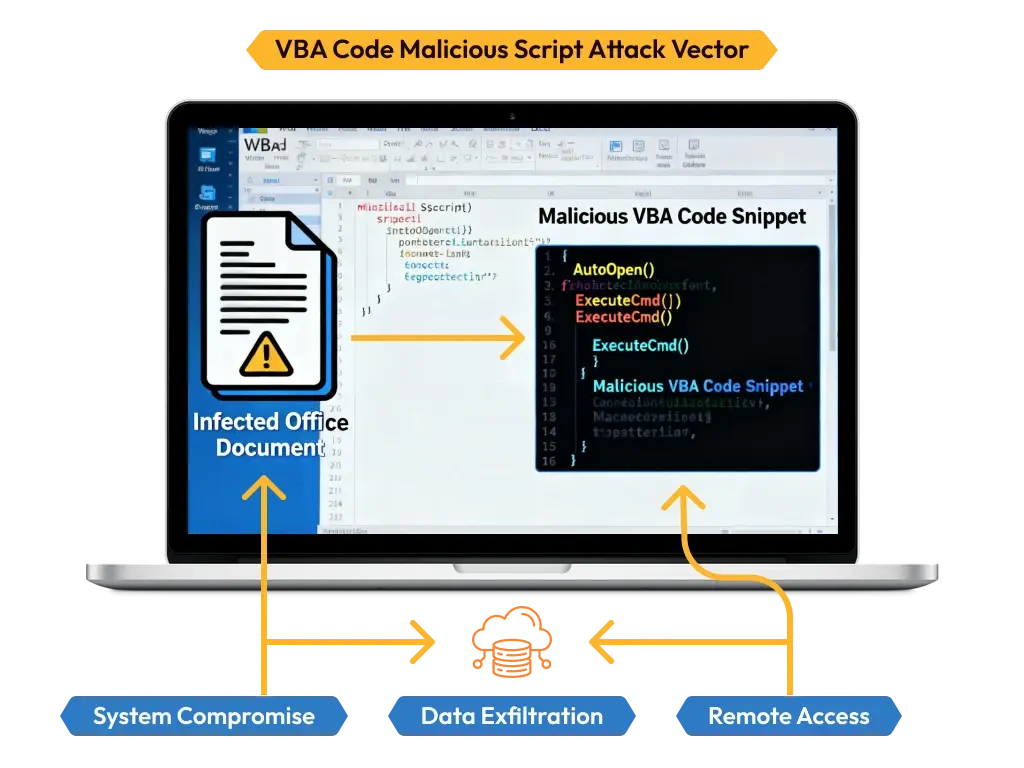
Decoding the threat requires a deep understanding of the tactics employed by cybercriminals. VBA (Visual Basic for Applications) code has emerged as a popular approach used to execute attacks. These malicious scripts enable hackers to exploit vulnerabilities within software and gain control of the targeted system. Recognizing the signs of VBA code and employing adequate security measures is vital to staying one step ahead of cyber threats.
Understanding VBA Code Attacks
VBA is a programming language widely used in Microsoft Office applications to automate tasks and enhance functionality. However, in the wrong hands, VBA code can be weaponized to carry out malicious activities. One common technique employed by cybercriminals is to embed malicious VBA code within seemingly harmless documents, such as Word or Excel files. These files are often disguised as legitimate documents, making it difficult for users to identify the potential threat. Once the unsuspecting user opens the file, the embedded VBA code is executed, initiating the attack.
What makes VBA code particularly dangerous is its ability to interact with the underlying operating system and other applications. This means that once the code is executed, it can perform a wide range of actions, such as downloading and executing additional malware, stealing sensitive information, or even taking control of the entire system.
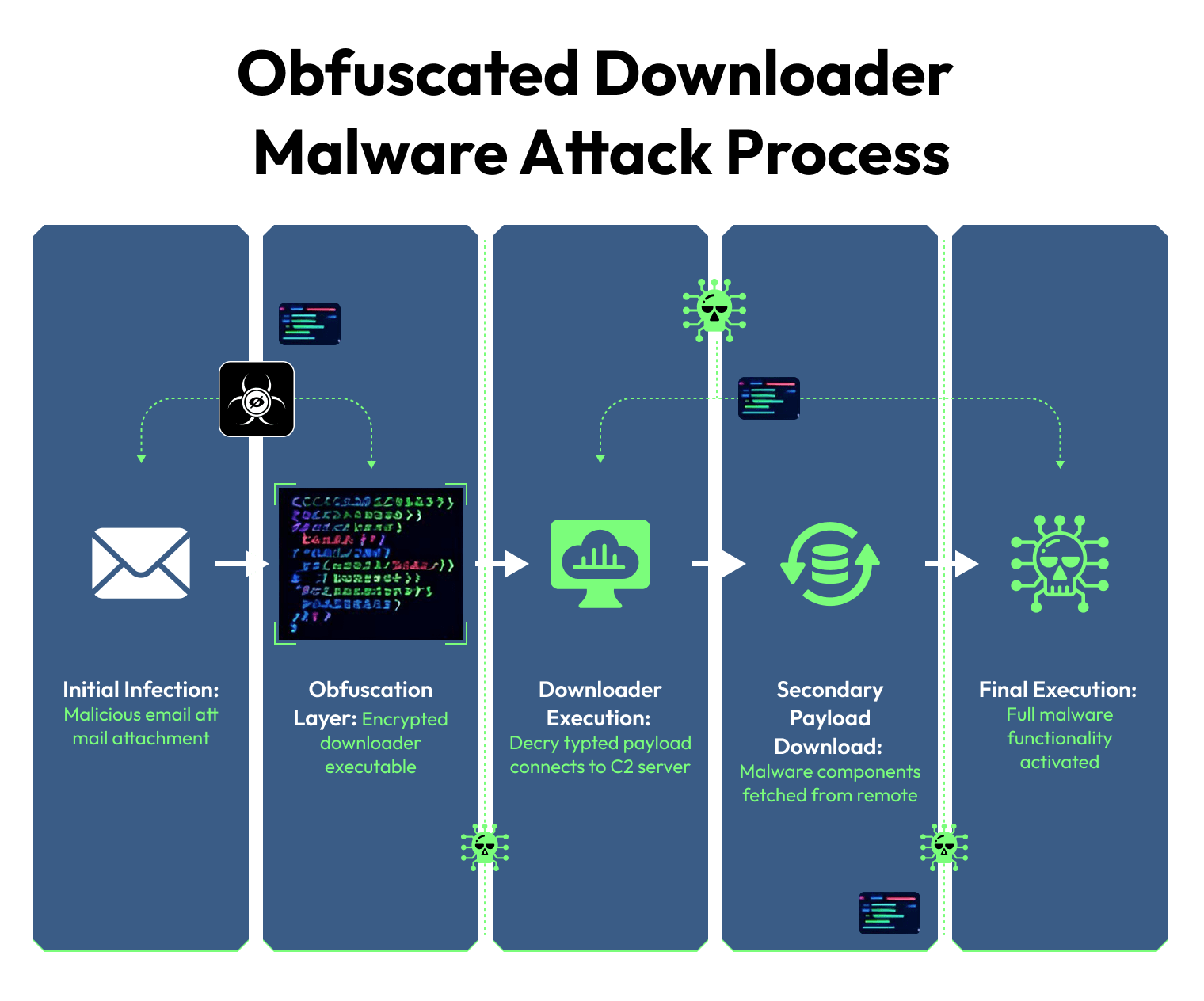
Multi-Stage Malware Attacks
Understanding the multi-stage process that malware attacks typically follow is crucial in preventing malware infections and mitigating potential damage. The first stage of a malware attack often involves the use of obfuscated downloaders. These downloaders are designed to hide their malicious intent and evade detection by security software. They may appear as harmless files, such as PDF documents or image files, but contain code capable of downloading and executing the actual malware. Obfuscation techniques, such as encryption or code obfuscation, are commonly employed to make the downloaders harder to analyze and detect. By obfuscating the code, cybercriminals can make it more challenging for security researchers and antivirus programs to identify and block the malicious payload. Once the downloader is executed, it connects to a remote server controlled by the attacker and retrieves the actual malware. This malware can take various forms, such as ransomware, spyware, or keyloggers, each designed to carry out specific malicious activities. After the malware is successfully downloaded and executed, it enters the next stage of the attack, which may involve establishing persistence on the infected system, spreading to other devices on the network, or exfiltrating sensitive data back to the attacker's command and control server.
Image-Based Payloads: A New Approach in Cyber Attacks
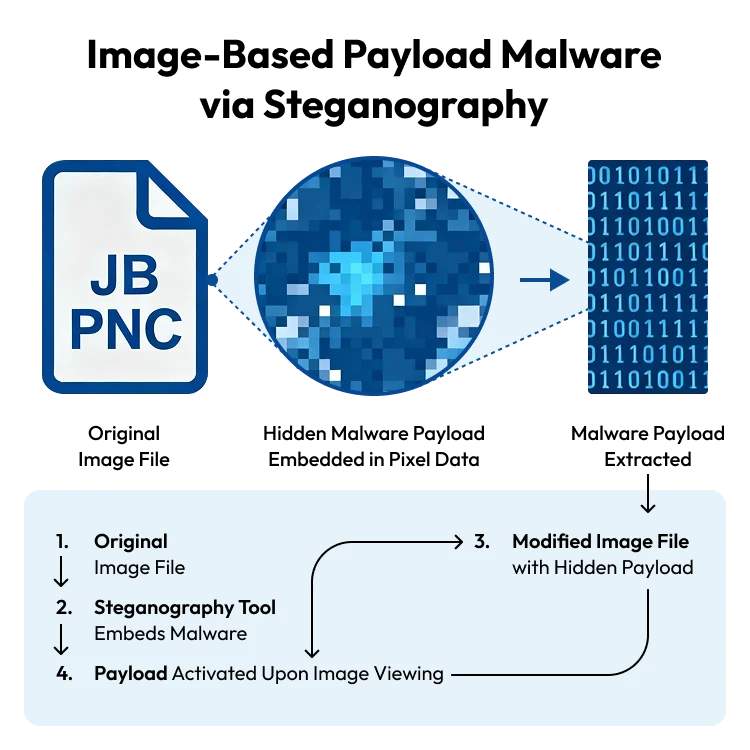
Cybercriminals are constantly evolving their tactics, and image-based payloads have emerged as a novel approach to conducting attacks. Malware hidden within image files can bypass traditional security measures, as these files are often overlooked during routine inspections. Analyzing image-based malware and developing robust defense mechanisms is paramount to thwarting these sophisticated attacks.
Image-based payloads have gained traction among cybercriminals due to their ability to exploit vulnerabilities in image processing libraries and software. By embedding malicious code within seemingly harmless images, attackers can easily deceive both individuals and organizations. These images can be distributed through various channels, including email attachments, social media platforms, and compromised websites.
Defense Against Image-Based Attacks
To defend against image-based malware, organizations and individuals must implement best practices for protection. This includes leveraging advanced threat detection technologies, such as machine learning and behavior-based analysis, to identify and block malicious image files. By analyzing patterns and anomalies in image data, these technologies can detect and neutralize potential threats before they can cause harm.
Regular security updates play a crucial role in safeguarding against image-based attacks. Software developers frequently release patches and updates to address vulnerabilities in image processing libraries. It is essential for users to promptly install these updates to ensure their systems are protected against the latest threats.
User education is another critical aspect of defending against image-based payloads. Individuals should be trained to exercise caution when opening image files from unknown sources or suspicious emails. They should be encouraged to verify the authenticity of image attachments before downloading or opening them.
Organizations should consider implementing content filtering and file type restrictions to prevent the execution of potentially malicious image files. By restricting the types of files that can be uploaded or downloaded, the risk of inadvertently opening an infected image is significantly reduced.
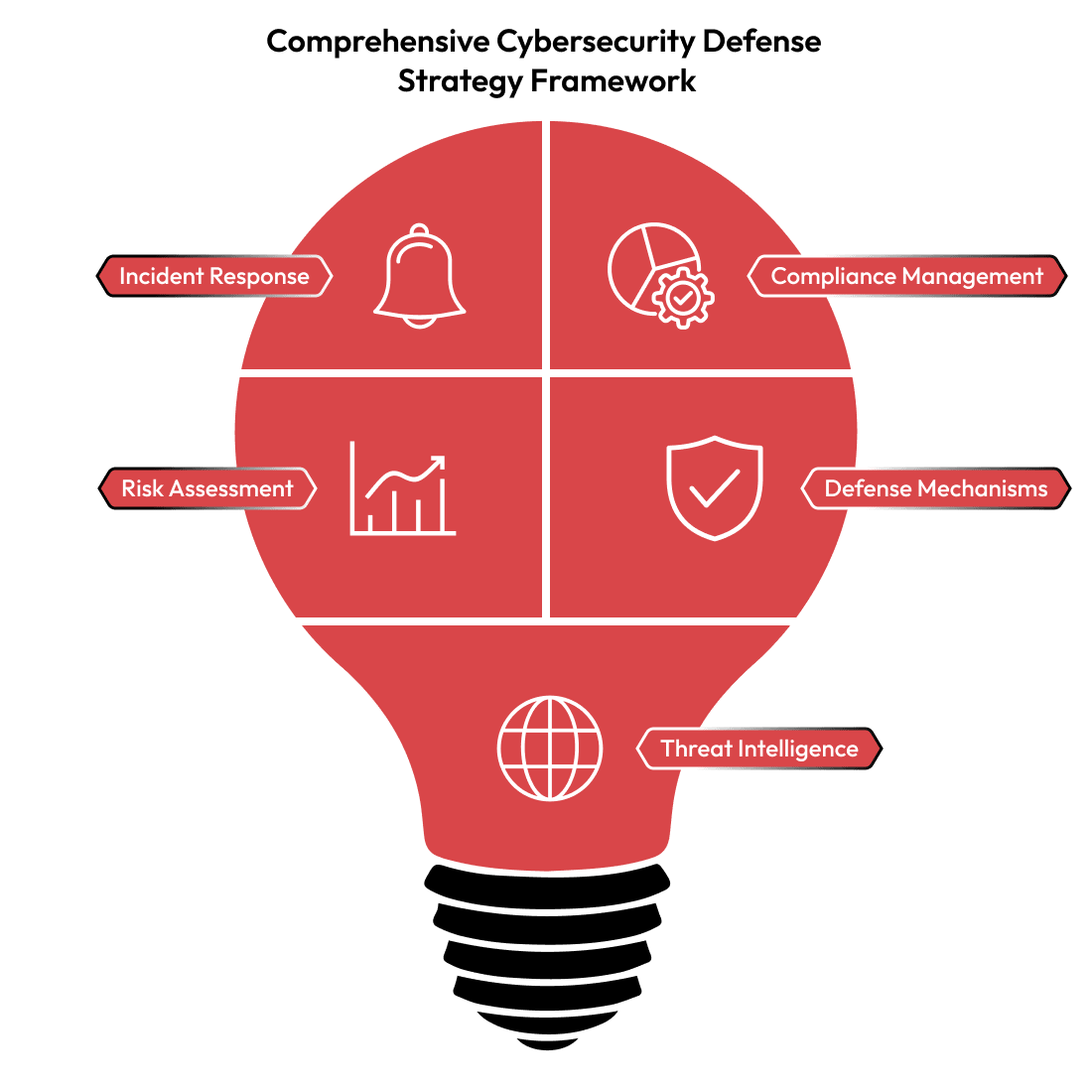
Building Comprehensive Defense Strategies
Examining the scope and impact of the cyber attacks targeting Ukrainian and Polish entities is crucial to gaining insight into these highly organized campaigns. Understanding the motives and techniques employed by the attackers can aid in developing more robust defense strategies and enhancing cybersecurity measures.
These cyber attacks have far-reaching consequences that extend beyond the immediate targets. The attackers aim to exploit vulnerabilities in the digital infrastructure of these nations, potentially compromising sensitive information, disrupting critical services, and undermining public trust. The repercussions can be felt in various sectors, including government, military, finance, healthcare, and energy.
Essential Components of Cyber Defense
-
Effective Incident Response Plans:
These plans outline the steps to be taken in the event of an attack, ensuring a swift and coordinated response. By establishing clear lines of communication and assigning roles and responsibilities, organizations can minimize the impact and recovery time. -
Continuous Monitoring:
By deploying advanced threat detection systems and employing skilled cybersecurity professionals, organizations can identify and respond to potential threats in real-time. This proactive approach allows for early detection and containment, preventing further damage and reducing the overall impact. -
Public-Private Collaboration:
Sharing information, best practices, and threat intelligence enables a collective defense approach. By pooling resources and expertise, stakeholders can stay one step ahead of the attackers, effectively countering their tactics and techniques.

Let Datopic Help You Build Smarter
At Datopic Technologies, We build adaptive cybersecurity frameworks that protect governments, militaries, and enterprises from advanced threats—combining AI-driven defense, continuous monitoring, and collaborative intelligence to ensure national and digital resilience.
From AI-powered quality monitoring and self-healing pipelines to predictive data orchestration and intelligent metadata management, we implement comprehensive DataOps frameworks that deliver continuous data reliability and agility.
👉 Explore Services
👉 Request a Consultation
Let's build the intelligent data foundation your future deserves—one that enables autonomous operations, real-time insights, and data-driven innovation at scale.